




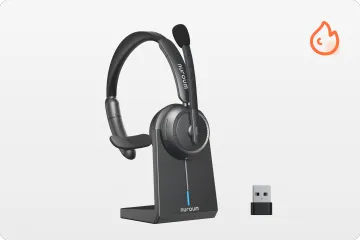
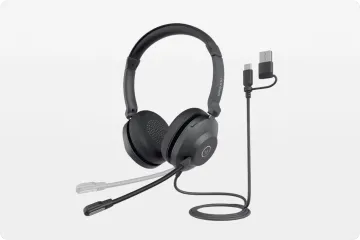





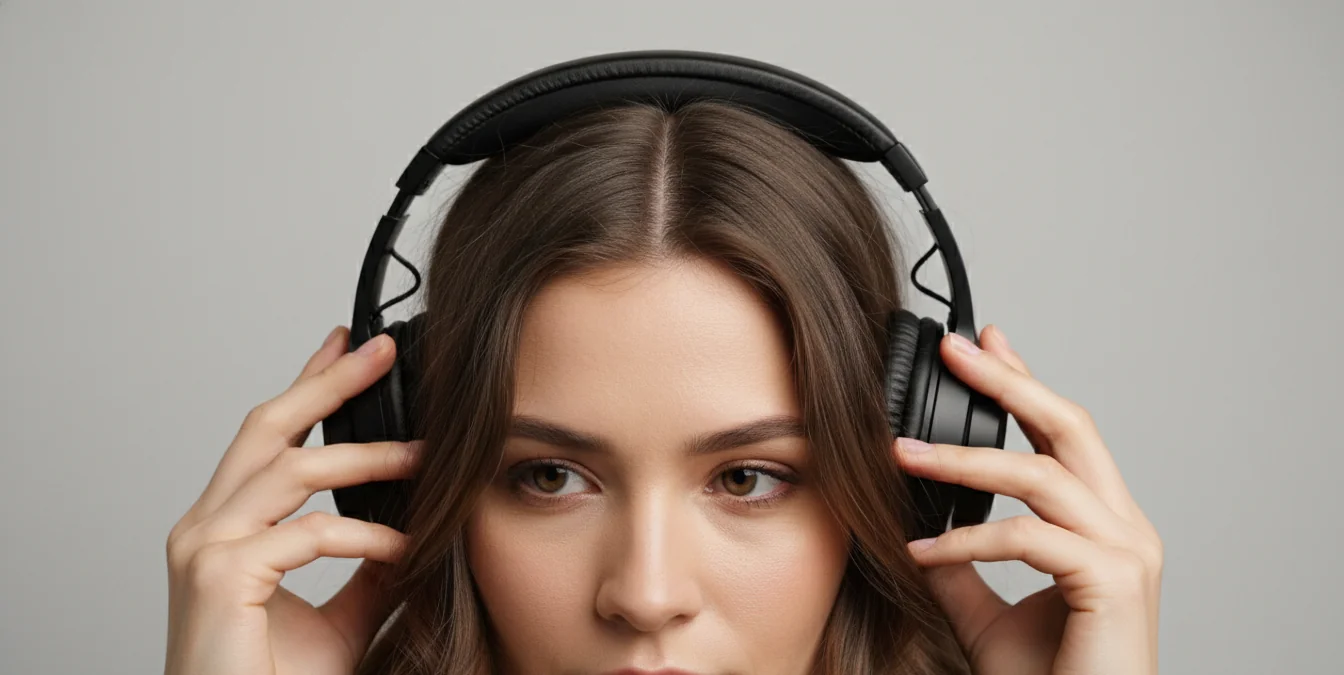
You finish a long gaming session or a string of Zoom calls, take off your headphones, and catch your reflection — there's a visible groove across the top of your head. If you have ever worried you permanently damaged your skull, you are not alone. The good news? A headphone dent is only your hair being pressed flat. It is completely reversible.
In this guide, we will explain the science behind that dent, how to fix it fast before your next meeting, and the daily habits that prevent it from forming in the first place.
What Exactly Is a Headphone Dent? (Hair vs. Skull)
The Myth: "Headphones Dented My Skull"
The fear that headphones can permanently reshape your head is common — and completely unfounded. From a biomechanical standpoint, the numbers tell the whole story.
Research published in the Journal of Neurotrauma found that the force required to fracture human skull bone ranges from 4.5 kN to 11.9 kN (roughly 1,000 to 2,700 lbf) depending on impact location and speed. Consumer headphones exert a clamping force of approximately 1.6–2.8 N (about 0.36–0.63 lbf) — roughly 4,000 times weaker than the lowest recorded skull fracture threshold. Historical studies by Gurdjian et al. and Nahum et al. further confirm these thresholds remain well above 3,000 N even under highly localised frontal or parietal impact.
Permanent skull denting from headphone use is physiologically impossible. What you are actually seeing is a headphone hair dent: your hair strands have been temporarily compressed, while the bone underneath remains entirely untouched.
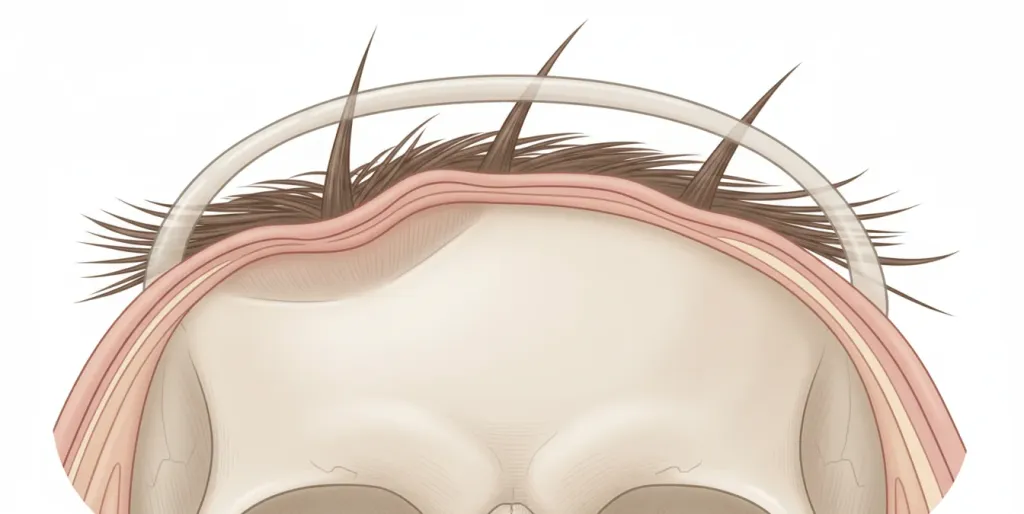
Why Some Dents Look Deeper Than Others
Several factors determine how noticeable your headphone mark will be:
- Hair thickness and texture: Fine, straight hair shows dents more prominently than thick or curly hair.
- Headband width: A narrow, firm headband concentrates pressure on a smaller area, creating a sharper dent.
- Wearing duration: The longer the pressure is applied, the more stubborn the flattening becomes.
- Hair moisture: Slightly damp hair compresses more easily and holds the shape longer.
- Product buildup: Hair with heavy oils or styling products tends to clump together under pressure, making the dent more visible.
How to Fix Head Dent from Headphones (Quick Fixes That Actually Work)
When you need to look presentable in five minutes, these methods will restore volume to flattened hair fast.
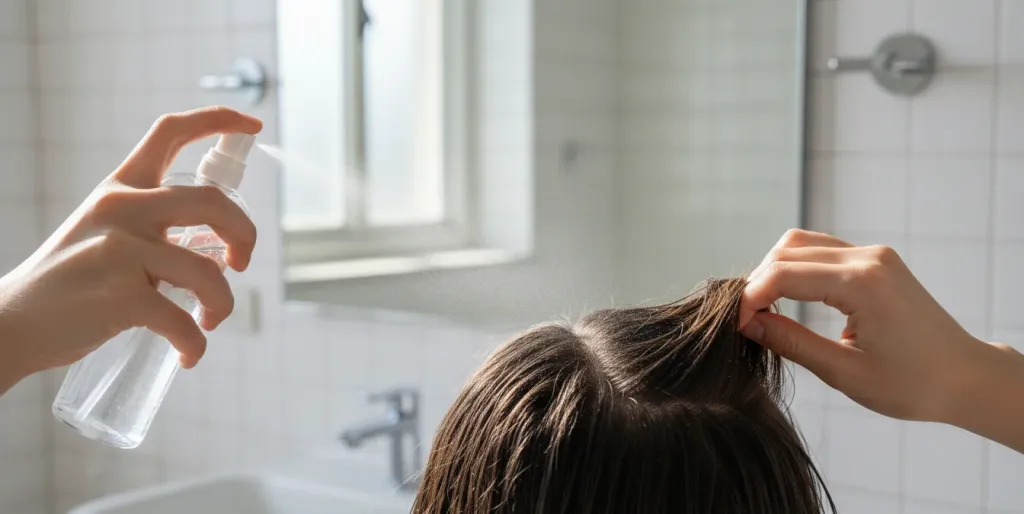
Method 1: The Water + Blow-Dry Technique
- Lightly mist the dented area with water using a spray bottle.
- Use a comb or your fingers to lift the hair upward, working against the direction of the flattening.
- Blow-dry on low heat while continuing to lift the roots.
- Finish with a blast of cool air to set the volume.
This works because water temporarily resets the hydrogen bonds in your hair, allowing you to reshape it as it dries.
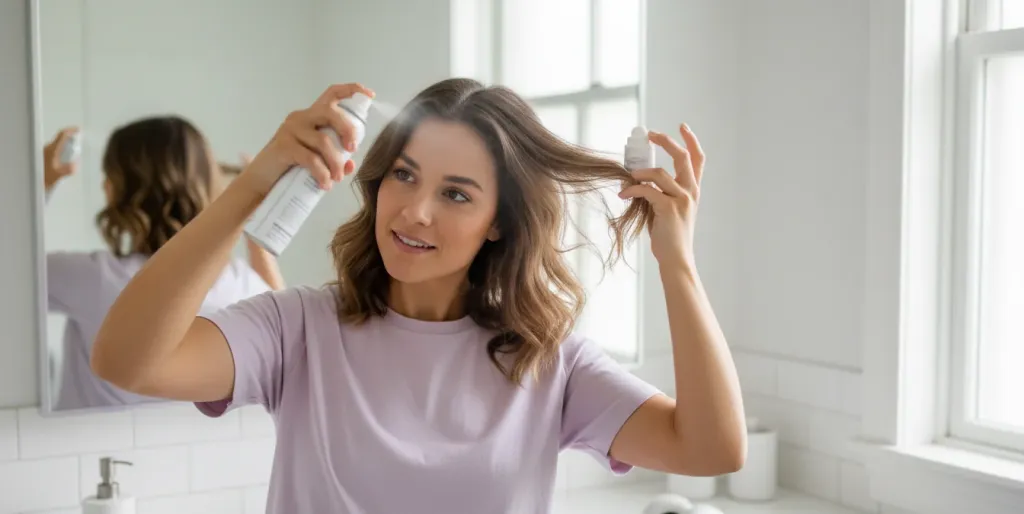
Method 2: Dry Shampoo or Texturizing Powder
Dry shampoo is the fastest fix for a headphone hair dent when you do not have access to water. Spray or sprinkle it directly onto the flattened roots, massage it in with your fingertips, and tousle the hair upward. The powder absorbs oils and creates friction between strands, instantly restoring lift.
Method 3: Hand Fluff + Reset
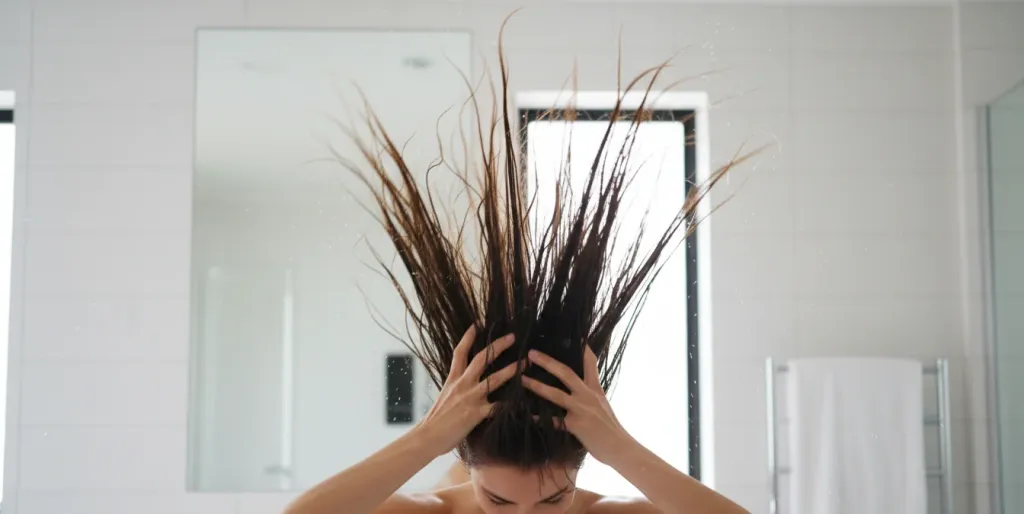
For mild dents, simply run damp hands through the affected area and shake your head gently. The moisture from your palms combined with natural air drying is often enough for minor compression. You can also flip your head upside down and massage the scalp to stimulate blood flow and lift the roots.
Method 4: Comb Over with a Wide-Tooth Comb
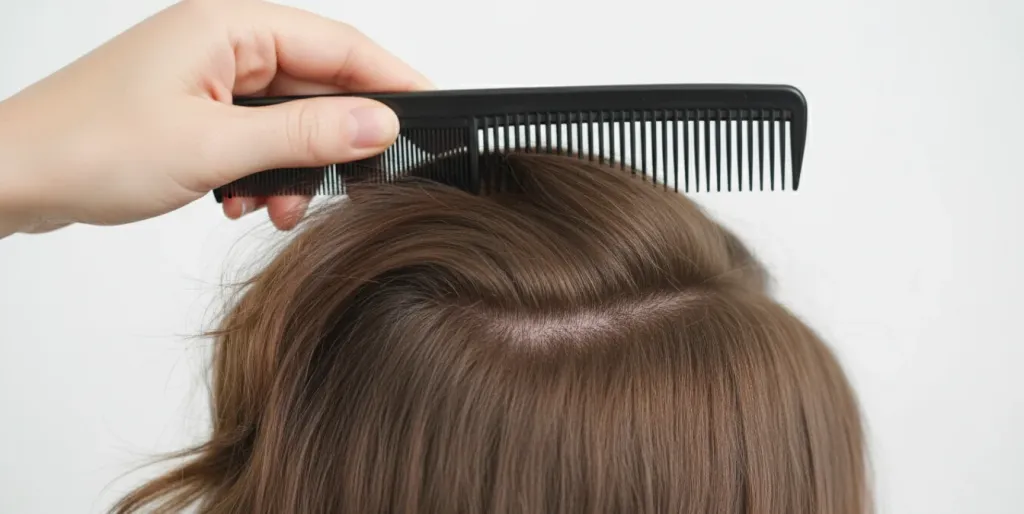
If the dent is severe, use a wide-tooth comb to backcomb (tease) the underlayers of hair at the roots lightly. This creates a cushion of volume that masks the flattened top layer. Smooth the surface gently with the comb so the teasing is not visible.
How to Prevent Headphone Dent (Daily Habits That Work)
Fixing a dent is useful. Preventing it entirely is better. Here are the most effective strategies for how to prevent headphone dent during long sessions.
Adjust Headband Position
The simplest change with the biggest impact: shift the headband slightly forward or backward from your usual spot every hour or so. Even a one-inch repositioning redistributes pressure and prevents a single, deep crease from forming. Many users rotate between three positions: centered, slightly forward, and slightly back.
Wear the Band Behind Your Head
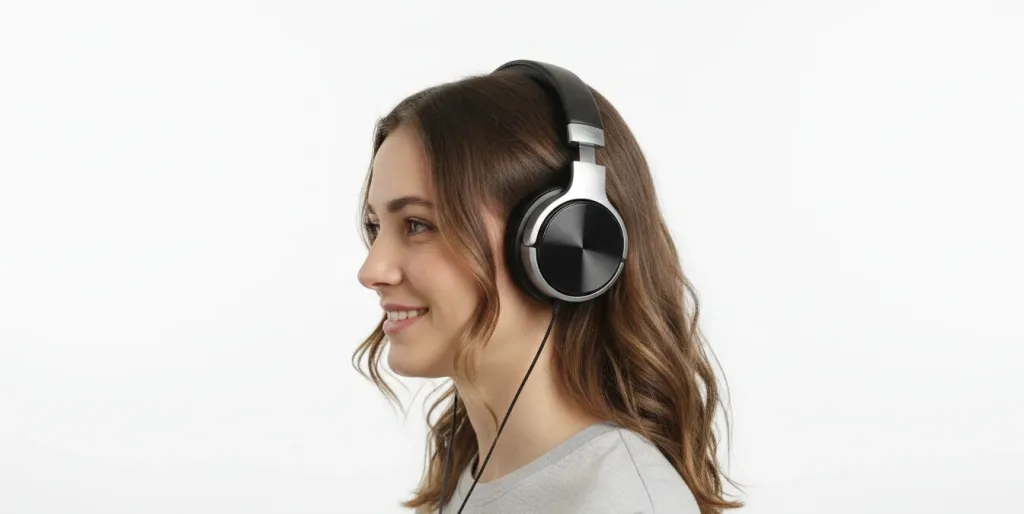
For over-ear headphones with a flexible frame, try wearing the headband at the back of your head rather than the crown. This completely removes pressure from the top of your hair while still keeping the ear cups sealed. It takes a day or two to get used to, but it eliminates top-of-head dents entirely.
Loosen the Clamping Force
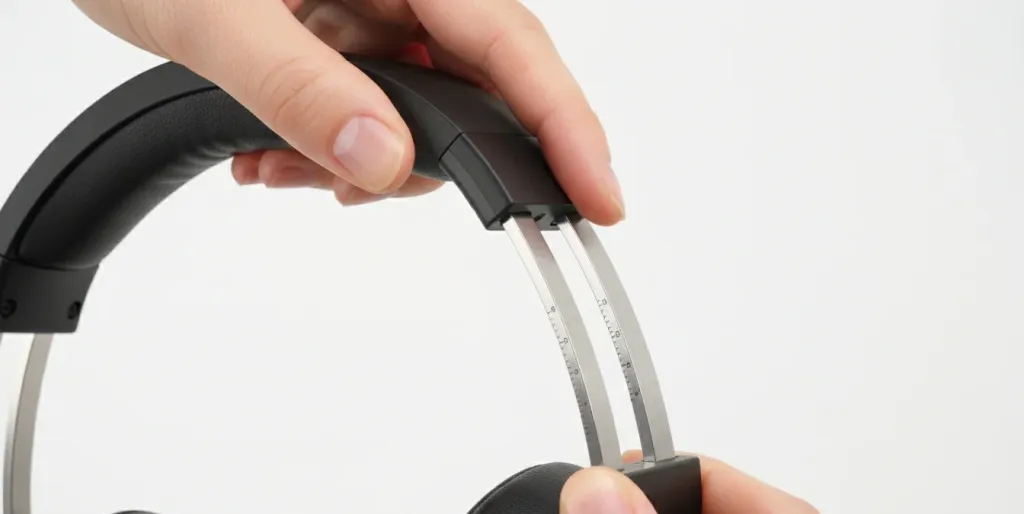
Most headphones have an adjustable slider on each side. If your headset feels tight after extended wear, extend the sliders by one or two clicks to reduce clamping pressure. The headband should rest on your head without squeezing. If your model lacks enough adjustment range, gently bending the metal band outward can reduce tension (do this carefully to avoid breaking the frame).
Use a Beanie or Thin Cap
Wearing a soft beanie, skullcap, or even a thin buff between your hair and the headband creates a protective barrier. The fabric absorbs and disperses the pressure across a wider area, so your hair never gets directly pressed. Choose a thin, breathable material to avoid overheating during long sessions.
Braid or Tie Your Hair Back
For longer hair, braiding or tying it in a low ponytail before putting on headphones helps in two ways. First, it keeps hair structured and less prone to random flattening. Second, it reduces the surface area of loose hair that can be pressed down. A loose braid works better than a tight ponytail, which can create its own pressure mark.
Take Short Breaks
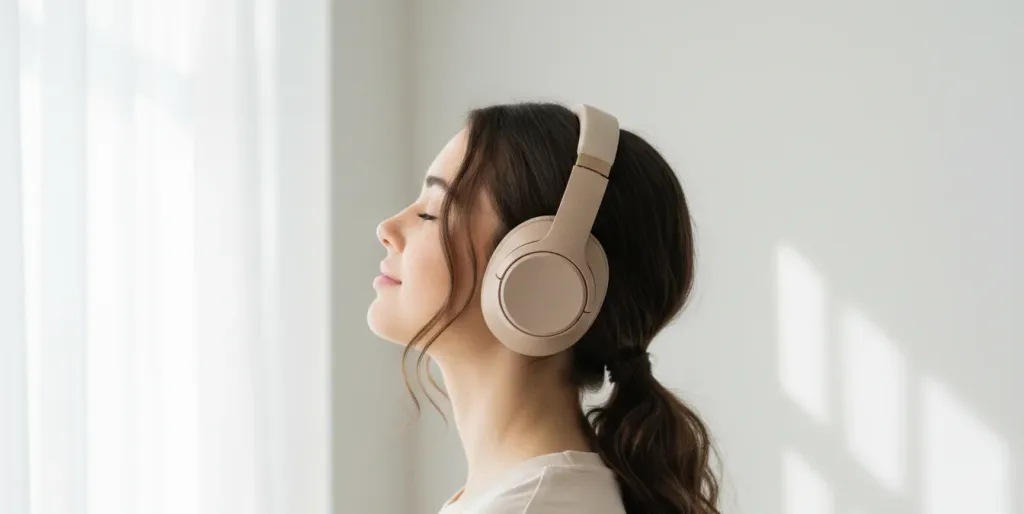
Every 45 to 60 minutes, remove your headphones for 2 to 3 minutes. This short reset window allows compressed hair to bounce back before the dent sets in deeply. It is also healthier for your ears and helps prevent listening fatigue.
Consider Headband Width and Padding
If you are shopping for new headphones and dent prevention matters to you, look for models with a wide, well-padded headband. A broad, cushioned surface distributes weight across more square inches of scalp, resulting in gentler, less noticeable compression. Memory foam padding performs better than thin synthetic leather.
FAQs
Are headphone dents permanent?
No. Headphone dents in your hair are temporary. The dent you see is simply hair being pressed flat, not a deformation of your skull. Human skull bone requires significantly more force than headphone clamping pressure to deform. The flattened hair typically springs back within minutes to a few hours after removing the headphones.
How long does a headphone dent last?
Most headphone hair dents disappear within 5 to 30 minutes after removing your headphones. If the headband was very tight or worn for many hours, the dent may take 1 to 2 hours to fully bounce back. Using a quick fix like dampening the area, applying dry shampoo, or blow-drying on low heat can speed up the recovery to under 5 minutes.
Can headphones actually dent your skull?
No. Consumer headphones do not generate anywhere near enough clamping force to dent human skull bone. The adult skull requires trauma-level force (measured in hundreds or thousands of pounds of pressure) to fracture or deform. What appears to be a skull dent is always a temporary compression of hair and scalp tissue that resolves on its own.
How do I get rid of a headphone dent in my hair before a meeting?
The fastest method is to lightly dampen the dented section with water or a spray bottle, then use your fingers or a comb to lift the hair while blow-drying on low heat. Alternatively, apply dry shampoo or texturizing powder to the flattened area, massage it in at the roots, and tousle with your fingers to restore volume instantly.
Do certain headphone types cause worse hair dents?
Yes. Tight-fitting over-ear headphones with narrow, rigid headbands tend to create more noticeable dents than lightweight on-ear models or headsets with a wide, cushioned headbands. Headphones with excessive clamping force, heavy construction, or minimal headband padding will press hair down more aggressively and leave a deeper, longer-lasting mark.
The Bottom Line
A headphone dent is a minor annoyance, not a medical concern. Your skull is safe, your hair will recover, and with the prevention habits above, you can minimize or eliminate the problem entirely. Start with the easiest fixes: reposition your headband hourly, loosen the fit slightly, and keep a bottle of dry shampoo nearby for emergencies. If you are ready for a bigger change, try wearing the band behind your head or braiding your hair before long sessions. Pick one or two methods that fit your routine and test them this week.