






Remote work is no longer limited to home offices—it happens in coffee shops, hotels, airports, and coworking spaces. But while most professionals invest in laptops and software, many overlook the one tool that directly impacts every meeting: their headset. This guide explains what makes a great headset for working from home, why background noise hurts productivity, how open-ear technology is changing remote communication, and which features truly matter when building an efficient work-from-anywhere setup.
Your kitchen table has become your conference room. Your coffee shop booth is now your client meeting space. And that corner of your bedroom? That is your quarterly review headquarters. For millions of remote workers, hybrid professionals, and digital nomads, the boundary between "work" and "everywhere else" has dissolved. Yet while laptops and Wi-Fi get all the attention, one piece of equipment quietly determines whether your day flows smoothly or ends in frustration: your audio setup. Choosing the right headset for working from home is not a minor accessory decision. It is a core productivity investment that affects every call, every meeting, and every hour you spend in deep focus.
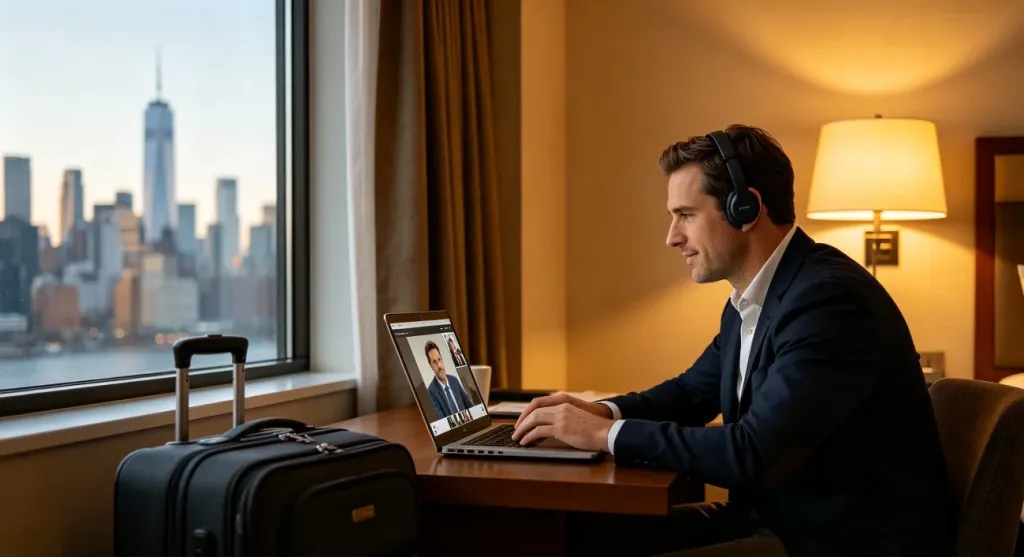
The Hidden Enemy of Remote Productivity
Remote work promised freedom, but it also delivered a cocktail of distractions that office designers spent decades trying to eliminate. A barking dog during a client pitch. A construction crew outside your window the morning of your board presentation. The clatter of espresso machines at your favorite café while you are trying to explain quarterly metrics. These are not minor annoyances. They are productivity killers.
Research consistently shows that unwanted noise breaks concentration, increases stress, and reduces the quality of communication during virtual meetings. This aligns with findings published in Ergonomics, where researchers found that speech-related background noise is one of the most disruptive workplace distractions, significantly impairing concentration and task performance even during relatively simple cognitive work.When your colleagues or clients cannot hear you clearly, trust erodes. When you cannot hear them, you miss critical details. The result is a day filled with repeated explanations, misunderstood instructions, and the creeping feeling that you are working harder but accomplishing less.

For anyone on a home-based work trip or working from shared spaces, the problem intensifies. Hotel lobbies, airport lounges, and coworking spaces are acoustically unpredictable. The same environment that feels energizing at 9 AM becomes a sonic battlefield by 11 AM. Without the right audio equipment, you are essentially bringing a knife to a gunfight.
Why Noise Is So Hard to Escape
The human brain is not designed to filter out irrelevant speech. This is why you can ignore the hum of an air conditioner but cannot help overhearing a nearby conversation. In a traditional office, architects use materials, layouts, and white noise systems to manage this challenge. At home or on the road, you have none of these advantages.
Open-plan homes have hard surfaces that reflect sound. Coffee shops are designed for social energy, not acoustic privacy. Even dedicated home offices often share walls with laundry rooms, kitchens, or noisy neighbors. The result is a constant stream of unpredictable audio intrusions that your brain struggles to process while you are trying to think.

Microphones on laptops and smartphones are particularly bad at handling this problem. They are designed to pick up everything within a wide radius, which means your voice and the background chaos arrive at equal volume on the other end of the call. A dedicated work from home headset that cancels background noise solves this by using directional microphones and AI-driven signal processing to isolate your voice and suppress everything else.
How Audio Technology Has Evolved for Remote Work
The headset market has transformed dramatically over the past five years. Traditional over-ear headphones were built for music listening, not eight-hour communication marathons. They trap heat, press on glasses, and create that odd underwater sensation when you speak while wearing them. In-ear earbuds solved some portability issues but introduced ear fatigue, wax buildup, and the social awkwardness of not hearing your doorbell or a colleague trying to get your attention.
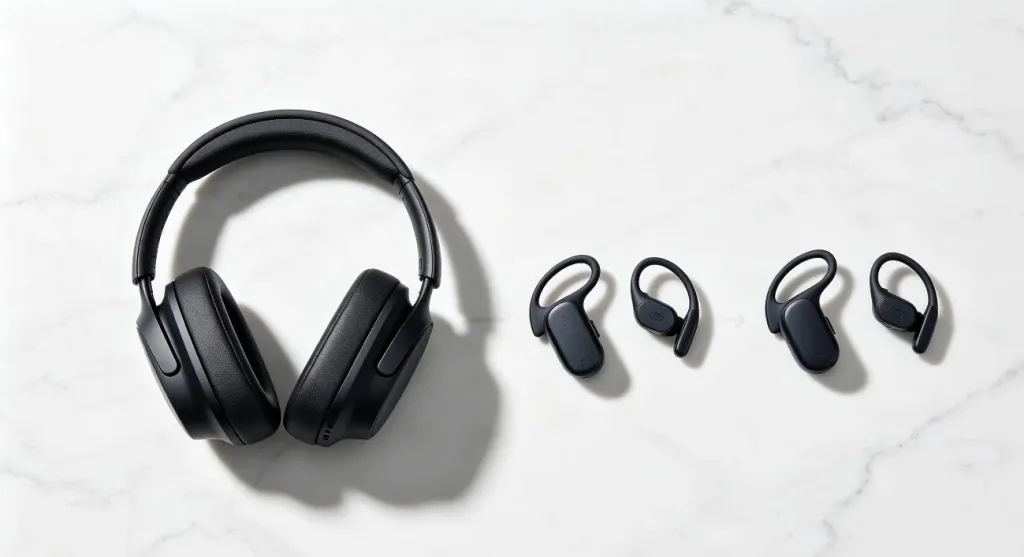
Enter the open-ear revolution. Modern open ear headphone bluetooth designs use advanced air-conduction technology to deliver rich audio without sealing the ear canal. This means you get your calls, music, and notifications while remaining connected to your environment. For parents, pet owners, and anyone sharing space with others, this situational awareness is not a luxury. It is a necessity.
The best models now feature AI-powered noise cancellation that targets voices specifically, dual-microphone arrays that isolate speech, and Bluetooth multipoint connectivity that lets you switch seamlessly between your laptop and phone. Battery life has crossed the ten-hour threshold, making a full workday on a single charge the new standard. Understanding how do open ear headphone work helps you appreciate why this technology has become the preferred choice for serious remote professionals.

Building Your Complete Work-From-Anywhere Toolkit
A headset is the anchor of your mobile office, but it is not the whole story. The modern remote professional needs a curated collection of work from home productivity tools that work together to create a reliable, comfortable, and efficient workspace anywhere.
Here is what belongs in every serious work-from-anywhere kit:
- The laptop stand and external keyboard: Posture affects focus. Elevating your screen to eye level and using a proper keyboard reduces neck strain and helps you stay alert through long sessions.
- The portable charger: A high-capacity power bank ensures your phone and headset never die during a critical call, especially during a home-based work trip where outlet access is uncertain.
- The task lighting: A compact LED lamp with adjustable color temperature prevents eye strain and signals to your brain that it is time to focus.
- The notebook: Analog tools still matter. Writing by hand improves retention and gives your eyes a break from screens.
- The communication hub: A quality wireless open ear headphone with a dedicated microphone is the centerpiece that ties everything together. It is the one tool you will use in every single meeting.
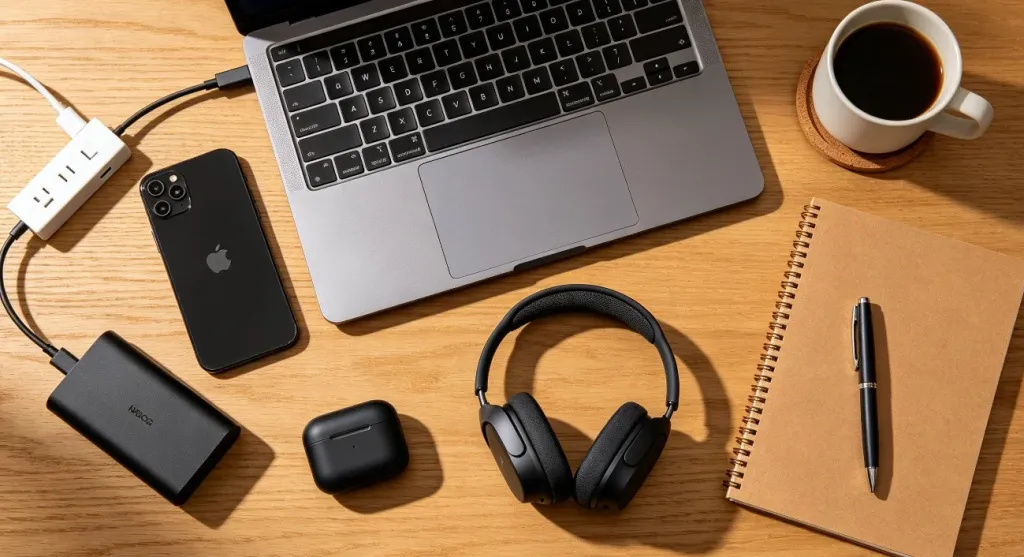
AI assistants have also become essential parts of the toolkit. Tools like Otter.ai for transcription, Grammarly for written communication, and Notion AI for organizing thoughts all reduce the cognitive load of remote work. But none of them matter if your audio connection is poor. You cannot AI your way out of a garbled microphone.
What to Look for in a Headset for Working From Home
Not all headsets are created equal, and the best choice depends on how and where you work. Before making a purchase, evaluate these core criteria:
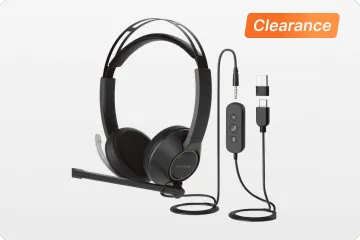
- Microphone Quality: This is the most important feature. Look for a headset with a boom microphone or advanced beamforming mic array. AI noise cancellation that specifically targets background voices is essential if you work from shared spaces.
- Comfort for All-Day Wear: Weight, pressure points, and heat buildup determine whether you can wear a headset for an eight-hour day. Open ear headphone for glasses wearers are particularly valuable because they eliminate the clamping pressure that traditional over-ear models apply to glasses arms.
- Connectivity and Compatibility: Bluetooth 5.3 or higher ensures stable connections and lower latency. Multipoint pairing lets you connect to two devices simultaneously, which is invaluable when you need to take a phone call while working on your laptop.
- Battery Life: Anything under eight hours of talk time will leave you charging mid-day. Look for models that offer at least ten hours of active use, with a quick-charge feature that gives you an hour of use from a ten-minute charge.
- Situational Awareness: If you work from home with family, in coffee shops, or while traveling, being able to hear your surroundings is a safety and practicality issue. Bluetooth headphone open ear designs let you stay connected to both your call and your environment.

A Closer Look at the Nuroum OpenEar Pro 2
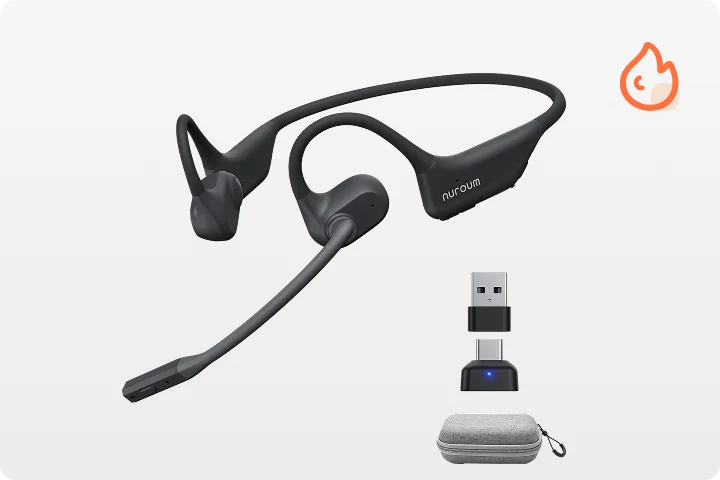
After evaluating dozens of models across price points and use cases, one device consistently stands out for remote professionals who need reliable communication without sacrificing comfort or awareness: the Nuroum OpenEar Pro 2.
This open ear wireless headphone with microphone is engineered specifically for people who live on video calls. The air-conduction design sits comfortably outside the ear canal, delivering clear audio while leaving your ears open to ambient sound. This makes it one of the best open ear headphone for phone calls available today.
The boom microphone uses AI-powered noise reduction to strip away keyboard clatter, coffee shop chatter, and household noise, leaving only your voice. Your colleagues will hear you clearly even if you are working from a bustling airport lounge. Bluetooth 5.3 multipoint connectivity allows seamless switching between your laptop and phone, and the battery delivers enough talk time for the longest workdays.
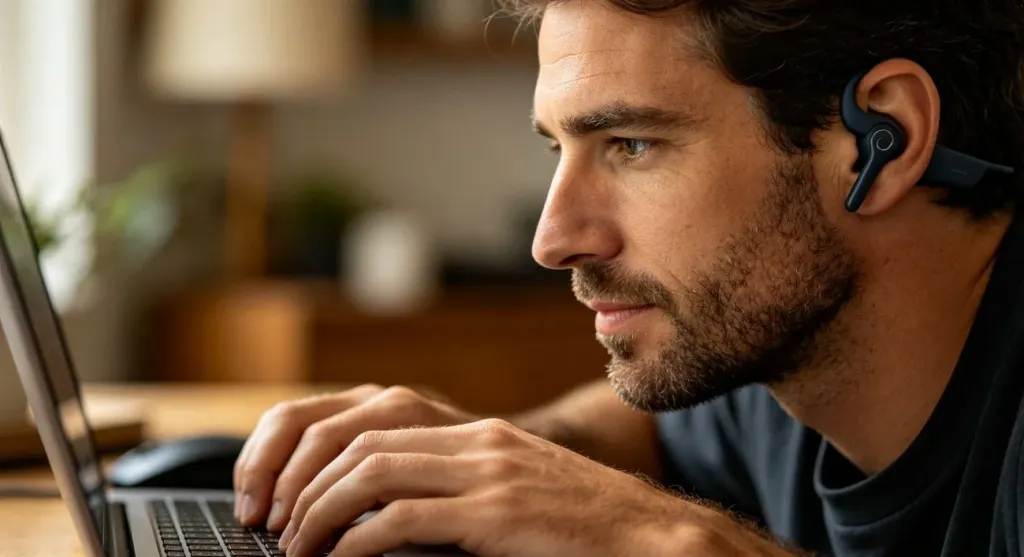
For professionals who wear glasses, the OpenEar Pro 2 is a revelation. The lightweight frame rests gently without pressing on glasses arms, eliminating the pressure headaches that plague traditional headset users. The open-ear form factor also means no ear canal irritation, no wax buildup, and no overheating during marathon meeting days.
The device pairs naturally with discussions about are open ear headphone safer for long-term use. Because the ear canal remains unobstructed, the risk of infections and hearing fatigue is significantly reduced compared to sealed in-ear designs. For anyone logging four or more hours of daily call time, this is a meaningful health consideration.

FAQs
What makes a headset good for working from home?
A great headset for working from home combines clear microphone quality for video calls, background noise cancellation, all-day comfort, reliable Bluetooth connectivity, and the ability to stay aware of your surroundings. Open-ear designs are increasingly popular because they reduce ear fatigue and allow you to hear doorbells, family members, or colleagues without removing the device.
Are open ear headphones safer than traditional in-ear models?
Open ear headphones are generally safer for extended use because they do not block the ear canal, reducing the risk of ear infections and hearing fatigue caused by prolonged pressure. They also allow situational awareness, which is important if you need to hear children, pets, or emergency alerts while working from home.
How do open ear headphones work?
Open ear headphones use air conduction or bone conduction technology to deliver sound without sealing the ear canal. Air-conduction models position speakers near the ear entrance, directing audio toward the ear while leaving the canal open. This design lets you enjoy music and calls while remaining aware of ambient sounds around you.
Can I wear open ear headphones with glasses?
Yes, many open ear headphone for glasses wearers are specifically designed to be comfortable with glasses. Because they rest outside the ear rather than pressing on the ear canal or over-ear cups pressing against glasses arms, they eliminate the pressure points that cause discomfort during long work sessions.
What is the best open ear headphone for phone calls and video meetings?
The best open ear headphone for phone calls features a dedicated boom microphone or advanced beamforming mics, AI noise cancellation for voices, stable Bluetooth connectivity, and long battery life. Models like the Nuroum OpenEar Pro 2 are engineered specifically for professional communication, delivering crisp voice clarity while keeping you aware of your environment.