





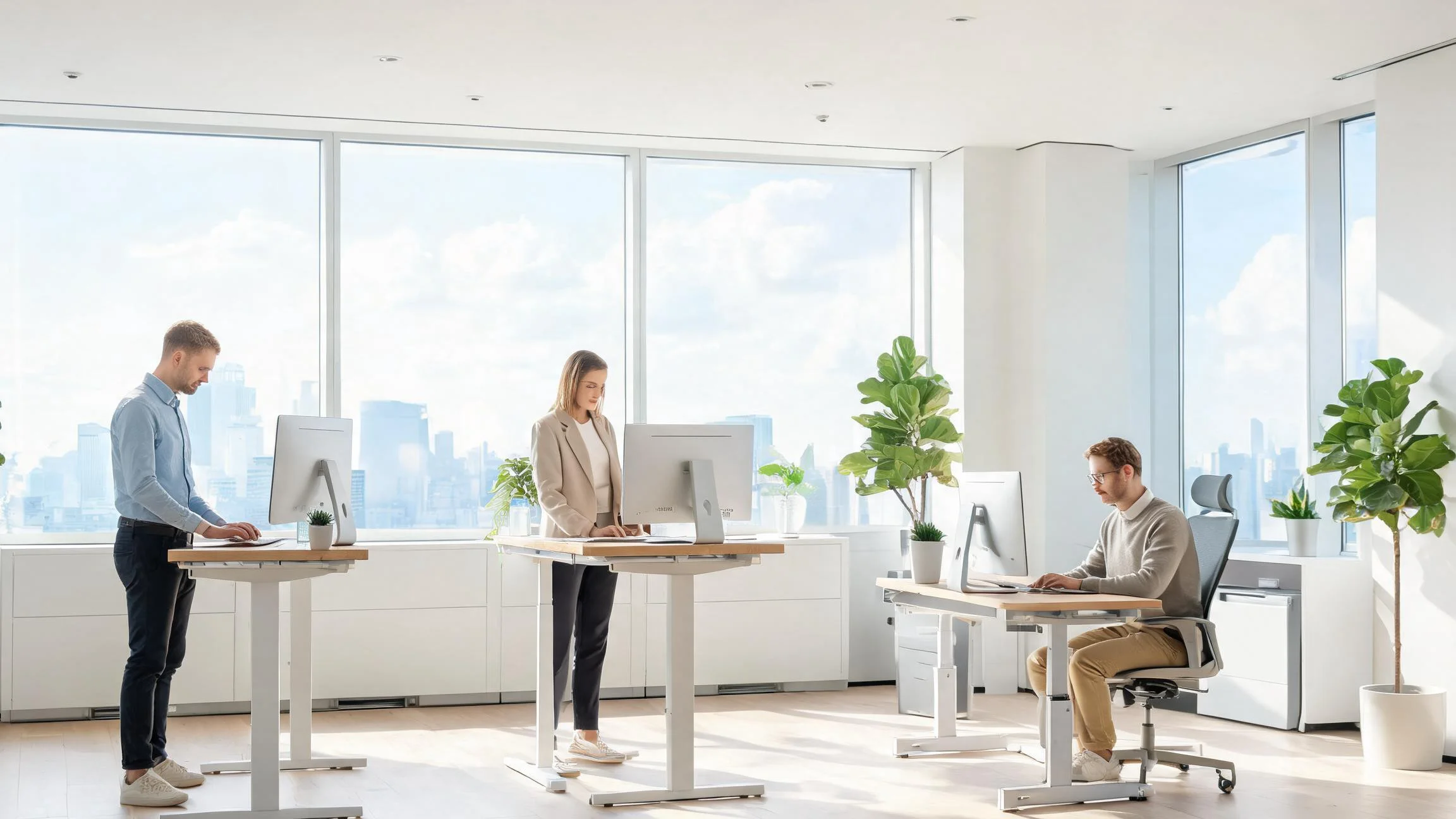
The modern office is becoming more collaborative than ever — but it is also becoming louder. As companies embrace return to office 2.0, open workspaces, hybrid meetings, and constant communication create new challenges for focus and productivity. This guide explores why offices are noisier in 2026, how workplace noise affects concentration and communication, and how the right strategies and audio tools can help professionals stay productive in any environment.
The return to office in 2026 has transformed the workplace into a high-energy hub of collaboration and constant motion. While this shift brings creativity and connection, it also introduces a challenge many underestimated: noise. Open floor plans, video calls at every desk, and the hum of shared spaces can turn a productive environment into a test of concentration. This guide explores why the modern office is louder than ever, how noise impacts your work, and how the right audio gear can help you reclaim focus.
What Return to Office 2.0 Looks Like in 2026
The post-pandemic office is not the quiet cubicle farm of the past. Companies have redesigned spaces for teamwork and flexibility. Activity-based working means employees move between hot desks, lounge areas, and conference rooms throughout the day. Hybrid schedules bring people together on anchor days, creating bursts of intense interaction.
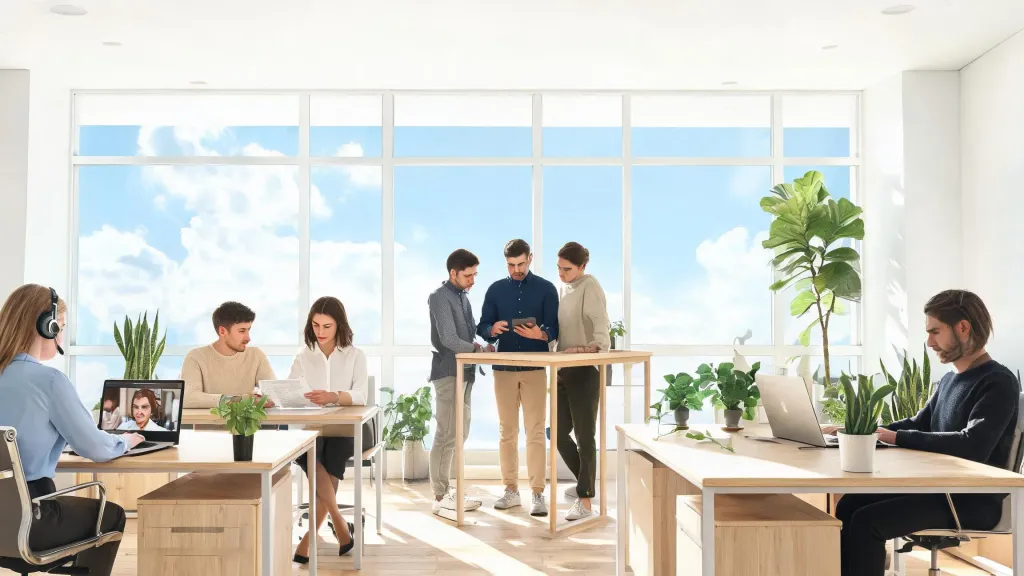
This new model has undeniable benefits. Ideas flow faster when teams whiteboard in real time, and social bonds strengthen over shared lunches. But when everyone is in the same room talking, typing, and calling, the cumulative sound level rises dramatically. The right strategies mean you do not have to choose between collaboration and focus.
Why the Modern Office Is Noisier Than Ever
Open-plan offices have been popular for decades, but the 2026 version is amplified by new behaviors and technologies. Understanding the sources of office noise is the first step toward controlling it.
The Density Problem
Companies aiming to maximize real estate often pack more employees into shared spaces than those areas were designed for. A floor plan that supported forty people in 2019 might now host sixty, multiplying conversations and overlapping video calls.
The Video Call Explosion
Hybrid work means that even when you are physically in the office, much of your communication happens through screens. In an open floor plan, every video call becomes a mini broadcast. One person's stand-up meeting is background noise for a dozen neighboring desks.
Hard Surfaces and Poor Acoustics
Modern office aesthetics favor glass walls, polished concrete, and exposed ceilings. These materials reflect sound rather than absorbing it. Without acoustic panels, noise bounces endlessly through the space, amplifying even minor sounds.

How Office Noise Destroys Focus and Communication Quality
Noise is not just an annoyance. It is a measurable drain on cognitive performance and professional communication.
Cognitive Overload and Reduced Output
The human brain is not designed to filter out irrelevant speech. When you hear nearby conversations, your brain automatically attempts to process the words, splitting attention away from your task. Research shows that office noise increases error rates and reduces reading comprehension. A loud office can cost you over an hour of productive time daily.
Elevated Stress and Fatigue
Chronic exposure to unpredictable noise triggers the release of cortisol and adrenaline. Over time, this leads to mental fatigue and even burnout. A comprehensive review published in The Lancet found that prolonged exposure to environmental noise can contribute to stress responses, sleep disruption, and reduced cognitive well-being. These findings highlight why controlling workplace noise is important not only for productivity but also for employee health.Employees in noisy environments often feel drained by mid-afternoon because their brains fight to concentrate.
Degraded Call and Meeting Quality
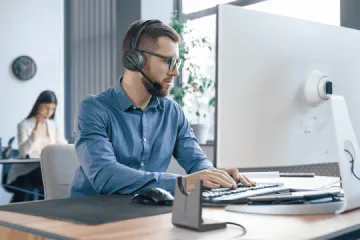
Perhaps the most immediate impact of office noise is on communication. When you join a video call from an open floor plan, your microphone picks up keyboard clicks and side conversations. Colleagues struggle to understand you, and important details get lost.
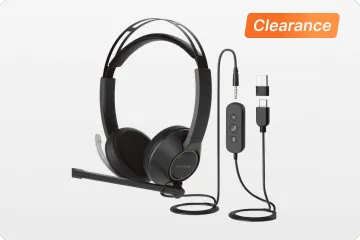
A bluetooth headset with noise cancellation mic creates a personal audio bubble that isolates your voice while blocking ambient sound.

Proven Strategies to Stay Productive in a Loud Workplace
Noise may be unavoidable, but its impact on your work is not. Here are practical, proven techniques for maintaining focus and professionalism in a noisy office.
Block Deep-Work Hours on Your Calendar
Treat focused time like any other meeting. Block one or two hours on your calendar each day and protect that time aggressively. Pair this practice with a physical signal—such as wearing a noise cancelling headphone with mic for office—to show you are focusing.Use Bookable Quiet Spaces
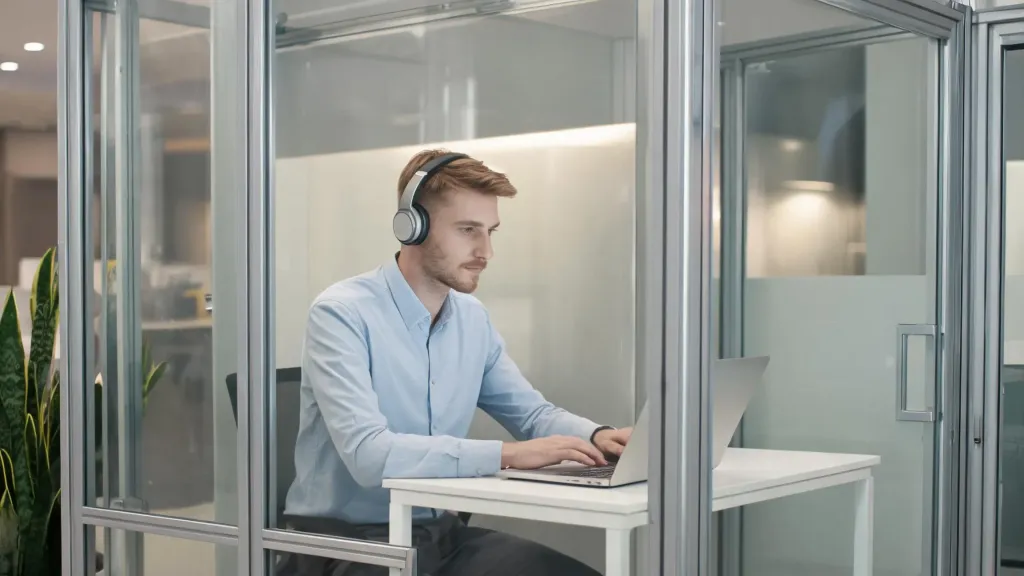
Most modern offices now include phone booths, focus pods, or small meeting rooms designed for individual work. Book these spaces for your most demanding tasks.Position Your Workspace Strategically
If you have any choice in where you sit, place your desk with your back to a wall and away from high-traffic areas like kitchens. Physical barriers can absorb sound and create a subtle sense of separation.Manage Notification Noise
Digital distractions compound physical ones. Turn off non-essential notifications during focus blocks and set your messaging status to away. The fewer interruptions that reach your attention, the more bandwidth you preserve for deep work.Invest in High-Quality Audio Gear
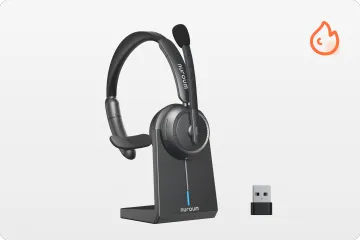
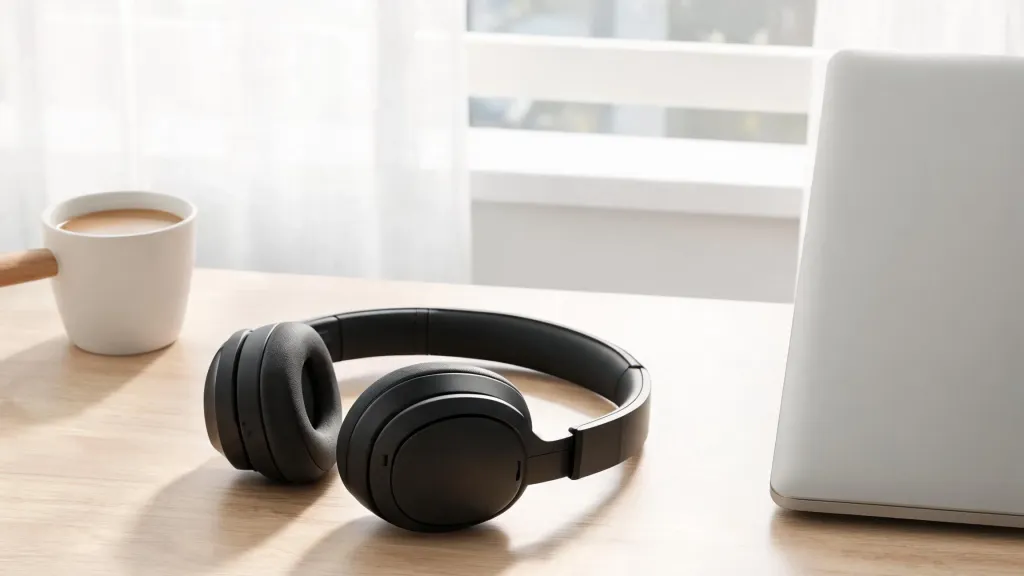
A professional-grade wireless headphone with noise cancelling mic transforms a chaotic office into a controlled workspace. ANC neutralizes ambient hum, while a directional microphone ensures your voice comes through clearly.

Why Your Headset Is Your Most Important Office Tool
In the hybrid era, your headset is a core productivity tool that determines how well you hear, how clearly you speak, and how long you can stay comfortable during back-to-back meetings.
Active Noise Cancellation Explained
Active noise cancellation uses microphones on the outside of the headset to detect ambient sound, then generates an inverse sound wave that cancels unwanted noise before it reaches your ears. This technology is especially effective against low-frequency sounds like air conditioning and distant chatter.
Microphone Quality Matters More Than You Think
A great listening experience is only half the equation. If your microphone picks up every keyboard click and side conversation, your calls remain frustrating. Professional headsets use directional microphones and noise suppression to isolate your voice from everything else in the room.
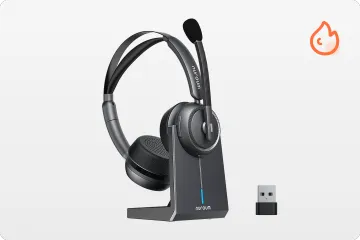
The Nuroum HP31D excels in both dimensions. As a bluetooth over ear headphone with ANC, it creates an immersive listening environment. Its AI-enhanced microphone strips away background noise so effectively that callers often assume you are in a private office.
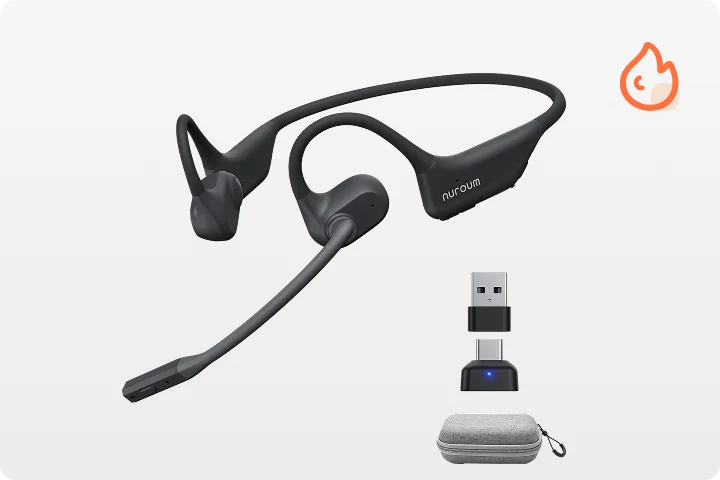
If you prefer situational awareness, the Nuroum OpenEar Pro 2 offers an open-ear design that sits outside the ear canal, delivering crisp audio without sealing you off.
How to Choose the Right Headset for Your Environment
The best headset depends on your office layout, call volume, and comfort preferences.
For Loud Open Offices and Heavy Call Schedules
If you spend three or more hours per day on calls in a high-energy open floor plan, prioritize an over ear wireless headset with active noise cancellation. The Nuroum HP31D offers premium ANC, a broadcast-quality microphone, and all-day battery life. It delivers the over ear noise cancelling headphones experience that demanding professionals need.
For Customer Support and Call Center Roles
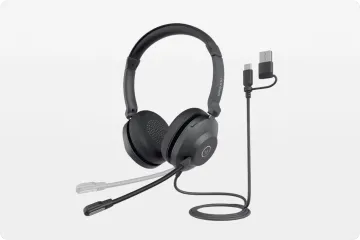
Agents in customer-facing roles handle back-to-back conversations in shared environments with dozens of other agents speaking simultaneously. A noise cancelling headphone for call center use must deliver consistent performance hour after hour. The HP31D meets this standard with its lightweight frame and microphone tuned for speech intelligibility. For any headphone for call center environments, reliability directly translates to customer satisfaction.
For Hybrid and Home Office Workers
If your work week splits between home and office, versatility is essential. The Nuroum OpenEar Pro 2 shines in hybrid scenarios. Its open-ear design is perfect for home offices where you need situational awareness, while its professional microphone ensures you sound crisp on office days. As a wireless headset with mic for work, it pairs seamlessly with laptops and phones.
Even remote-first employees occasionally visit headquarters. Both the HP31D and OpenEar Pro 2 offer quick Bluetooth pairing and compact folding designs that travel well.
Key Features to Compare
| Feature | Over-Ear ANC (HP31D) | Open-Ear (OpenEar Pro 2) |
|---|---|---|
| Noise cancellation | Active + passive seal | Situational awareness |
| Best for | Loud offices, long calls | Home offices, team collaboration |
| Microphone clarity | AI-enhanced noise suppression | Professional-grade voice isolation |
| Connectivity | Bluetooth + USB | Bluetooth + multi-point pairing |
FAQs
Why is the office noisier after return to office policies?
Modern offices emphasize open floor plans and collaborative zones that amplify ambient noise from conversations, calls, and foot traffic—often reaching 60–70 decibels, loud enough to disrupt concentration.
How does office noise affect productivity?
Studies show that noisy environments increase stress hormones and reduce reading comprehension. Employees in loud offices lose up to 86 minutes of productive time per day and report higher fatigue.
What is the best way to stay focused in a loud office?
Effective strategies include using noise-cancelling headsets, booking quiet rooms for deep work, setting "focus hours" on your calendar, and positioning your desk away from high-traffic areas.
Do noise-cancelling headsets really work in open offices?
Yes. Active noise cancellation detects and neutralizes low-frequency ambient sounds like HVAC hum and distant chatter. Combined with a quality microphone, a professional-grade headset creates a personal audio zone for focused work and crystal-clear calls.