









The Brand That Defined Conference Audio
Polycom — later Poly after merging with Plantronics, then absorbed into HP — built the conference speakerphone category. The triangular design with illuminated mute button became so iconic that it defined what a "conference phone" looked like in the popular imagination. IT managers specified Polycom by default. End users recognized the form factor instantly. The brand became synonymous with conference room audio.
This dominance created a complacency trap. Organizations that standardized on Polycom speakerphones decades ago have refreshed them repeatedly without questioning whether the category itself still makes sense. The new Polycom replaces the old Polycom, the invoice looks similar, and nobody asks whether a speakerphone — any speakerphone — is the right device for how their teams meet today.
The question is no longer which Polycom model to buy next. It is whether a speakerphone, from any brand, serves the hybrid meeting environments that define work in 2026.
Why the Polycom Model Reached Its Limit
The Acquisition Trajectory
Polycom's journey through acquisitions tells the story. Plantronics bought Polycom in 2018, betting that audio and video endpoints belonged together. HP bought the combined company in 2022, integrating Poly into its broader peripheral and computing strategy. Through each transition, the standalone speakerphone became less strategic. Investment flowed toward video bars, personal collaboration devices, and ecosystem-integrated endpoints. The speakerphone as a standalone category entered maintenance mode.
For IT buyers, this trajectory signals risk. A product category that is no longer strategically prioritized receives fewer updates, slower innovation, and eventually reduced support. Buying a new Poly speakerphone in 2026 means buying into a declining category from a vendor whose focus has shifted elsewhere.
The Audio-Only Limitation
Polycom speakerphones do one thing exceptionally well: they capture and reproduce voice in conference rooms. The microphone arrays, acoustic echo cancellation, and noise suppression set standards that competitors measured themselves against. But they do not capture video. They do not frame participants. They do not provide the visual dimension that hybrid meetings require.
A Polycom speakerphone in a hybrid meeting creates the same asymmetry as any audio-only device: in-room participants have full visual context while remote participants have only audio. The speakerphone's audio quality is irrelevant to the visual deprivation that remote attendees experience.
Infrastructure Dependencies
Most Polycom speakerphones connect to PBX systems via analog or digital phone lines. These connections require dedicated telephony infrastructure that organizations are migrating away from. A speakerphone that needs a PBX trunk, a phone system license, and analog wiring carries dependencies that increasingly look like technical debt.
What the Transition Looks Like
Replacing a Polycom speakerphone with an all-in-one conference camera is technically straightforward because the change is not component-for-component substitution. It is category replacement.
Connectivity Shift
The Polycom connects to your phone system. The all-in-one camera connects to a computer via USB and uses your internet connection. The meeting audio travels over your conferencing platform (Zoom, Teams, Google Meet) rather than the telephone network. This eliminates phone system dependencies for conference room meetings.
Function Expansion
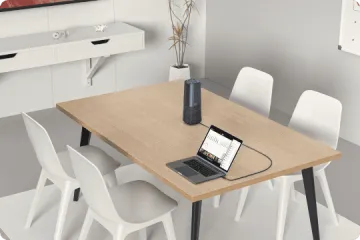
The all-in-one camera replaces the speakerphone's microphone and speaker functions while adding video capture. One device covers audio input, audio output, and video. The component count drops, the cable management simplifies, and the user experience becomes more consistent.
Installation Simplification
Most Polycom installations involve phone line routing, power connections, and potentially network configuration for IP-based models. A USB all-in-one camera requires one cable to the computer. Installation time drops from hours to minutes.
The Plantronics Parallel
Plantronics speakerphones — now under the Poly brand — face the same trajectory. The Calisto series and related products were designed for portable and desktop audio conferencing. They serve individual users and small groups well but face the same category limitation: audio-only participation in a video-first world.
The Plantronics acquisition by Poly and subsequent HP absorption followed the same pattern: audio-only endpoints became less strategically important as the market moved toward integrated video solutions.
Making the Migration Decision
Organizations with Polycom or Plantronics speakerphones should evaluate replacement timing based on:
Current equipment age: Speakerphones more than 5 years old are due for replacement regardless. The question is what replaces them — another speakerphone or a modern alternative.
Meeting pattern analysis: If the room hosts hybrid meetings with remote participants, the speakerphone limitation is acute. If the room serves only audio-only calls, the speakerphone may remain adequate.
Infrastructure trajectory: Organizations migrating from PBX to cloud communications should align conference room hardware with that migration. Replacing speakerphones with USB-based devices supports the cloud transition.
Standardization opportunity: Mixed environments — some rooms with Polycom, others with different brands, some with added webcams for video — create inconsistency. A uniform all-in-one standard simplifies support and user experience.
Where the Nuroum 360 Pro Fits
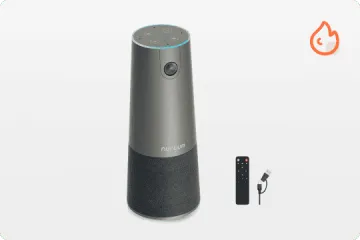
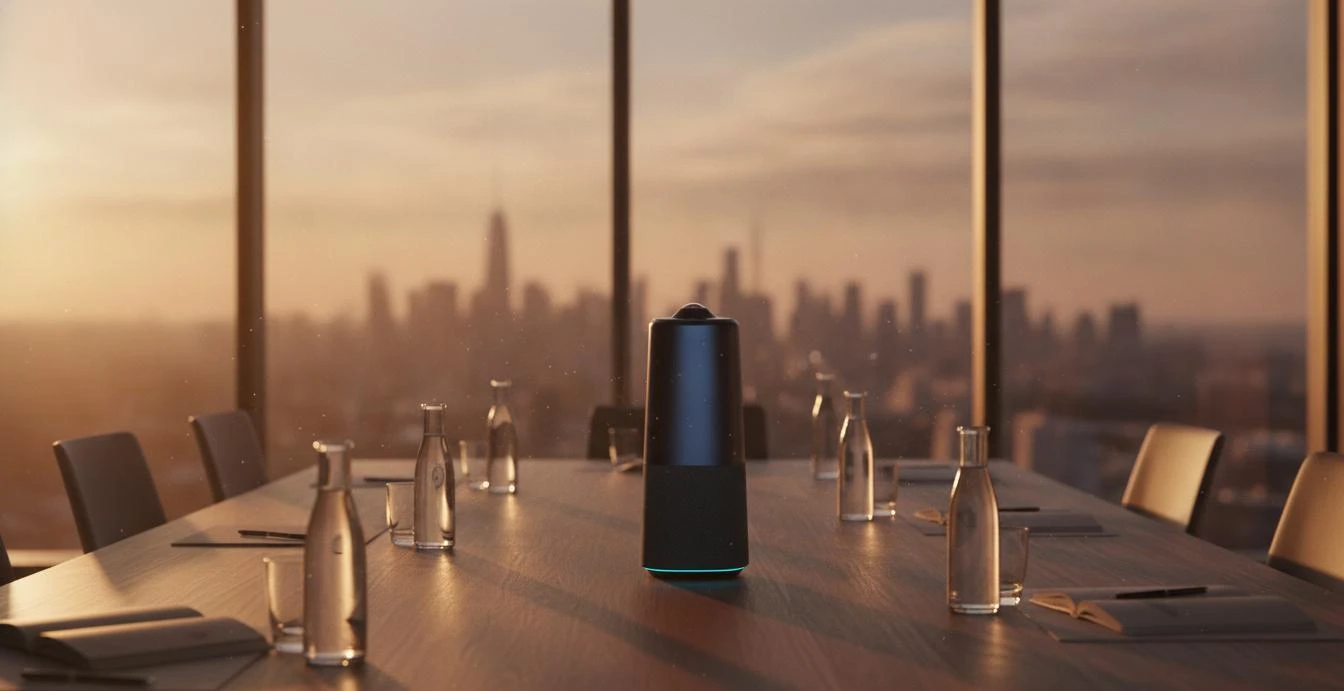
The Nuroum 360 Pro provides a migration target for organizations sunsetting Polycom or Plantronics speakerphones. It replaces both the audio capture and audio output functions of a speakerphone while adding 360° video coverage.
Six omnidirectional microphones with 16-foot pickup range cover standard conference rooms. Full-duplex audio with echo cancellation matches the acoustic performance that Polycom established as the category standard. The integrated Hi-Fi speaker ensures room-filling audio output for remote participants' voices.
The addition is 360° panoramic video with AI-powered discussion mode, global mode, and speaker tracking — capabilities no speakerphone can match. USB plug-and-play connection eliminates phone system dependencies.
For IT managers managing a fleet of aging Polycom devices, the 360 Pro offers a standardized replacement that reduces component count, simplifies installation, and adds the video dimension that hybrid meetings require.
FAQs
Q: Is Polycom still making speakerphones?
A: Polycom was acquired by Plantronics in 2018, and the combined company was rebranded as Poly. HP acquired Poly in 2022. While existing Poly speakerphone models remain available, the product roadmap has shifted toward video-centric devices. The speakerphone as a standalone product category is no longer a strategic focus, which means innovation, support, and long-term availability are declining.
Q: Can I replace a Polycom speakerphone with an all-in-one camera?
A: Yes. Most all-in-one conference cameras connect via USB and provide both audio input (microphones) and audio output (speakers), replacing both functions of a Polycom speakerphone while adding video. The transition is typically plug-and-play: remove the Polycom device, connect the all-in-one camera via USB, and select it as your audio and video source in your conferencing platform.
Q: What happens to my existing Poly infrastructure?
A: Polycom speakerphones that connect via analog phone lines or digital PBX systems require that infrastructure to function. When you replace them with USB-based all-in-one cameras, they use your computer's internet connection and your cloud-based conferencing platform instead of the phone system. This means you can transition conference rooms independently of your broader telephony migration.
Related Guides
- Speakerphone vs. All-in-One Conference Camera: Why Hybrid Teams Are Making the Switch
- Best Conference Phone Alternative: Modern Video-First Solutions
- Cisco Webex Room Alternative: All-in-One Camera Buyer's Guide
Replace your aging Polycom speakerphone with the Nuroum 360 Pro — same professional audio quality plus 360° video, USB connectivity, and no phone system dependencies.