
















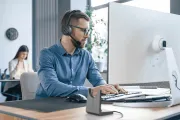
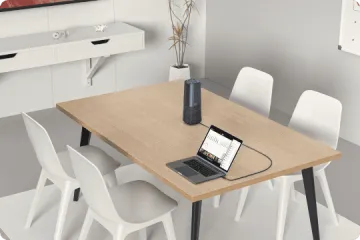




Have you ever been mid-sentence explaining a critical symptom to your doctor, only for a barking dog or a passing siren to drown you out? Or perhaps you’re a provider struggling to hear a patient’s soft-spoken concerns over the hum of an office air conditioner.
In the world of virtual care, poor audio isn’t just an annoyance—it’s a barrier to effective medicine. To help you navigate this, we’ve put together this comprehensive guide: Top 5 Best Headphones for Telehealth Tips and Gear for 2026. Whether you are a patient or a provider, finding the best headphones for telehealth is the simplest way to ensure every word is heard clearly.
Key Takeaways
- Choosing the best headphones for telehealth ensures clear communication and reduces the risk of misdiagnosis.
- Wireless communication headsets with noise cancelling microphones significantly improve call clarity in any environment.
- Features like long battery life comfort and stable connectivity are essential for effective virtual doctor visits.
- Professional telehealth headsets outperform standard earbuds by delivering clearer voice pickup and better reliability.
What Is Telehealth and How It Started

Telehealth is the distribution of health-related services and information via electronic information and telecommunication technologies. While it feels like a modern phenomenon, the roots of telehealth go back further than most realize.
The Evolution of Remote Care
- The Early Days: In the early 20th century, the radio was envisioned as a way to connect doctors with patients in remote areas.
- The NASA Influence: In the 1960s, NASA invested heavily in monitoring the vitals of astronauts in space, pioneering the biometric sensors we use today.
- The COVID-19 Catalyst: According to the CDC, telehealth visits increased by 154% during the last week of March 2020. This shift transformed wireless communication headsets from luxury items into essential medical equipment.
Why Audio Quality Matters in Telehealth Video Appointments
In a physical exam room, the doctor has your full attention. In a virtual room, you are competing with environmental variables.

Clinical Accuracy and Diagnosis
If a physician cannot hear the nuance in a patient's breathing or the specific tone of their voice, diagnostic cues can be missed. High-fidelity audio ensures that the "human" element of the exam remains intact.
Patient Privacy and HIPAA
Using speakers during a call allows anyone in the vicinity to hear sensitive medical information. Wearing noise cancelling cordless headphones ensures that the doctor’s side of the conversation stays between your ears, maintaining strict confidentiality.
Reducing "Zoom Fatigue"
Our brains work harder to process "thin" or distorted audio. Using a dedicated wireless headphone with noise cancelling mic reduces cognitive load, allowing both parties to focus on the medical advice rather than the technology.
How Wireless Headsets Improve Telehealth Communication
The shift from built-in laptop microphones to dedicated telehealth headset solutions is the single biggest upgrade you can make.
Mobility and Ergonomics
Wireless options allow providers to move around the office, reach for charts, or demonstrate exercises without being tethered to a desk.
- Bluetooth Range: Modern headsets offer 30-100 feet of range.
- Hands-Free: Frees up hands for typing notes in Electronic Health Records (EHR).
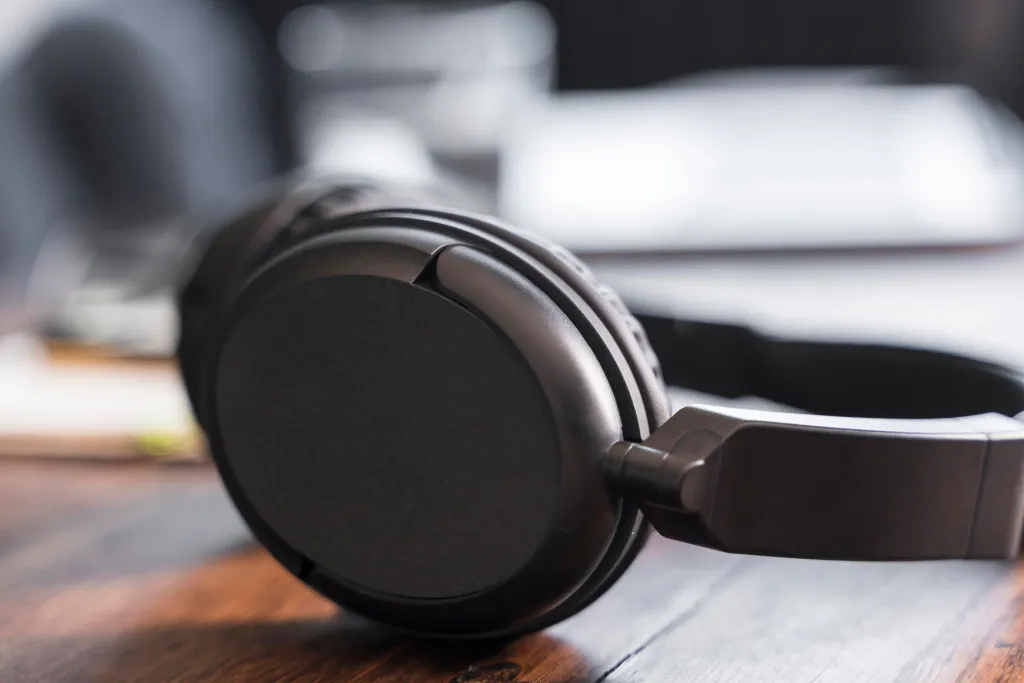
Superior Background Suppression
Most laptops use omnidirectional mics that pick up everything. A professional bluetooth noise cancelling headset with mic uses beamforming technology to focus only on your voice.
The Role of Outsourcing in Telehealth Support
As telehealth grows, the infrastructure behind it has expanded. Many healthcare systems now outsource their administrative and technical support to ensure 24/7 availability.
Technical Triage
Before you even see your doctor, you might speak with a remote technician. These support staff use best wireless office phone headset models to help patients troubleshoot their camera and audio settings, ensuring the actual appointment time is spent on health, not tech support.
Multilingual Support
Outsourced translation services often join telehealth calls. For these interpreters, audio clarity is non-negotiable. They rely on high-end headsets to catch linguistic nuances that are vital for accurate medical translation.
What to Look for in the Best Headphones for Telehealth
When shopping for the best headphones for telehealth, don't just look for "music" headphones. You need "communication-first" hardware.
Key Criteria Table
| Feature | Why It Matters for Telehealth | Recommended Specification |
|---|---|---|
| Microphone Type | Eliminates background noise like fans or typing. | Noise-Cancelling Boom Mic |
| Battery Life | Ensures the headset doesn't die during a long session. | 15+ Hours |
| Comfort | Essential for providers seeing patients back-to-back. | Lightweight with memory foam |
| Connectivity | Quick pairing with tablets, phones, or PCs. | Bluetooth 5.2 or USB Dongle |
Best Headphones for Telehealth: Top 5 Picks for 2026
Here is our curated list of the top 5 performers in the market today, featuring a mix of professional and consumer-grade options.
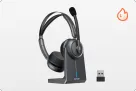
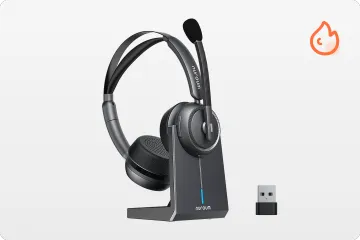
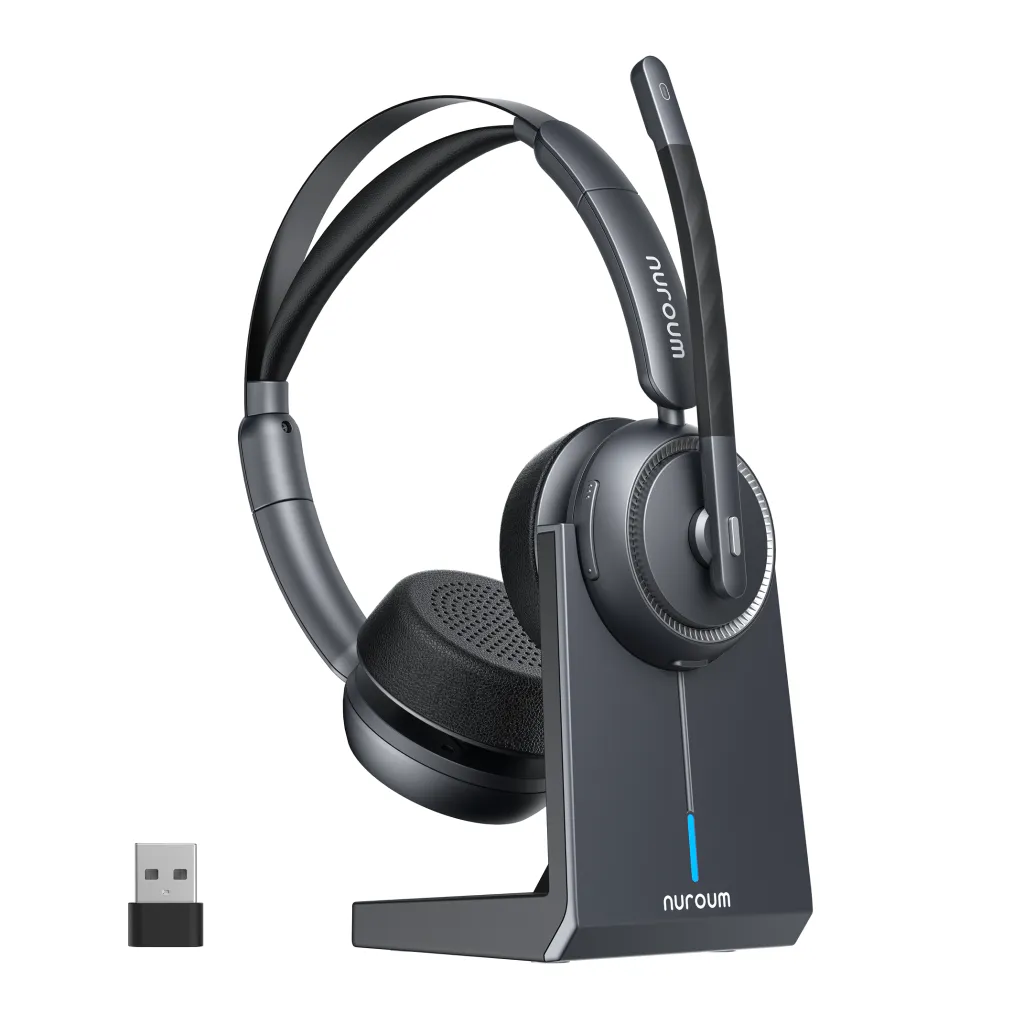
1. Nuroum HP31D (Top Professional Pick)
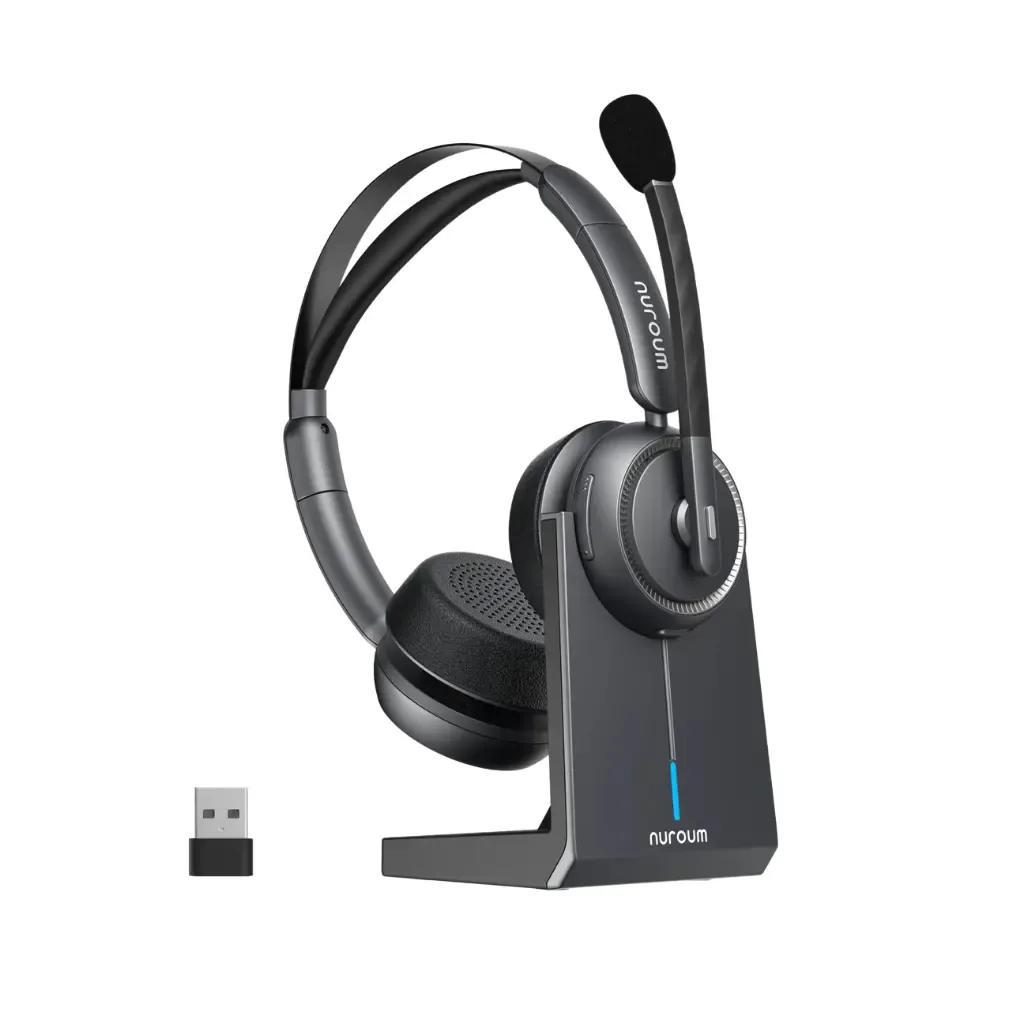
The Nuroum HP31D is specifically designed for high-clarity voice communication. Its dual-microphone system uses AI to suppress 99.9% of background noise, making it the premier wireless headphone with noise cancelling mic for medical professionals.
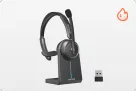
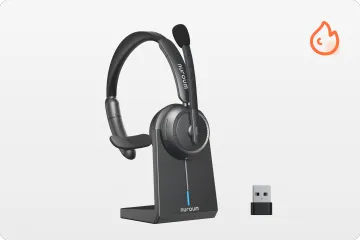
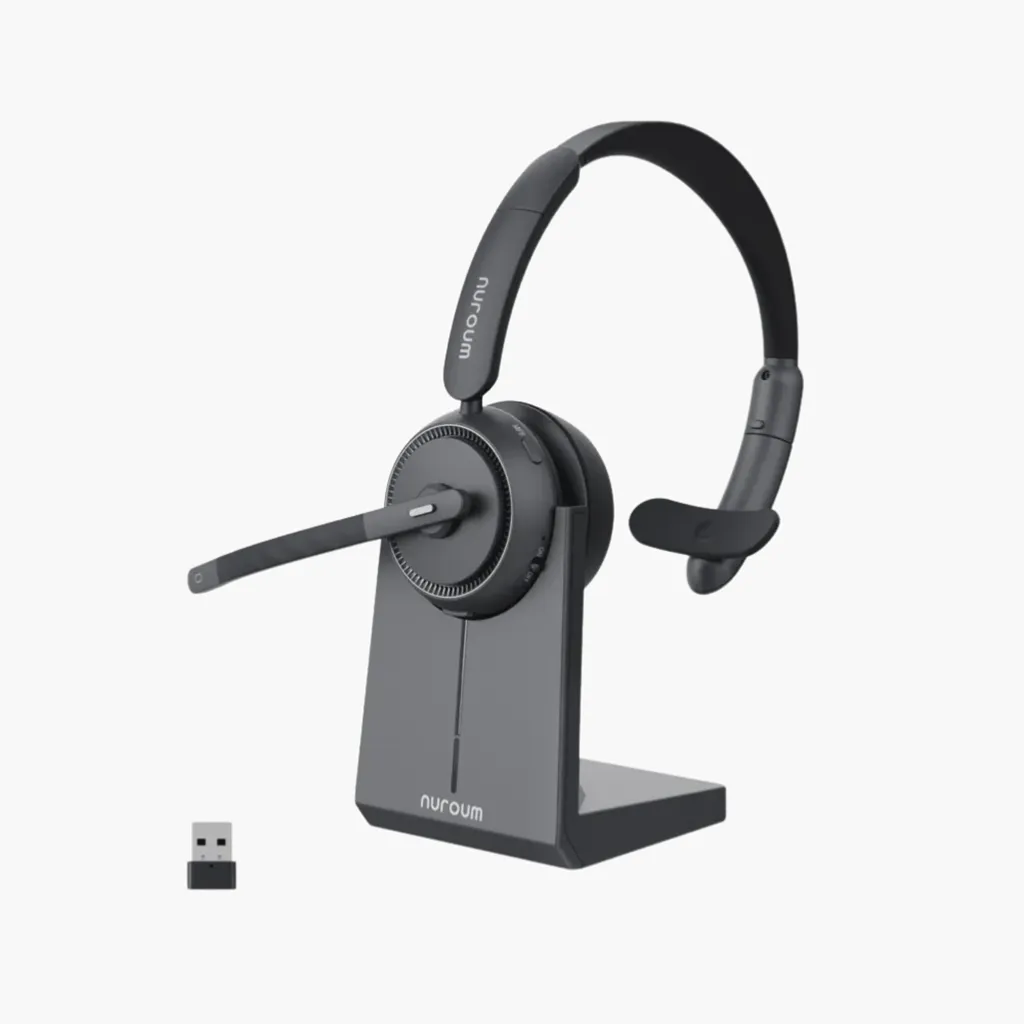
2. Nuroum HP31S (Best for Clinical Awareness)
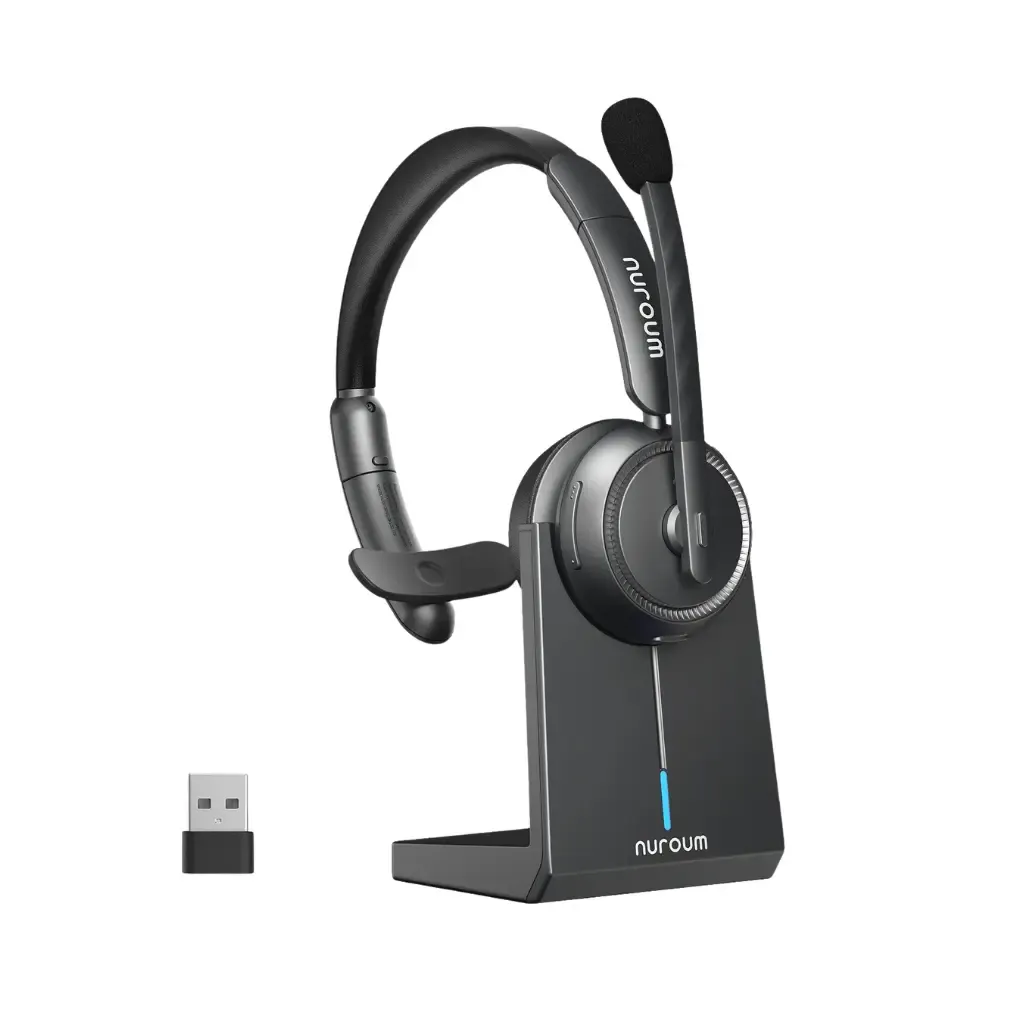
For providers who prefer to keep one ear open to their surroundings or need to hear colleagues in the room, the Nuroum HP31S is the ideal solution. This single ear headphone with mic offers professional AI noise-cancellation in a feather-light format.
3. Jabra Evolve2 55 (Best for Productivity)
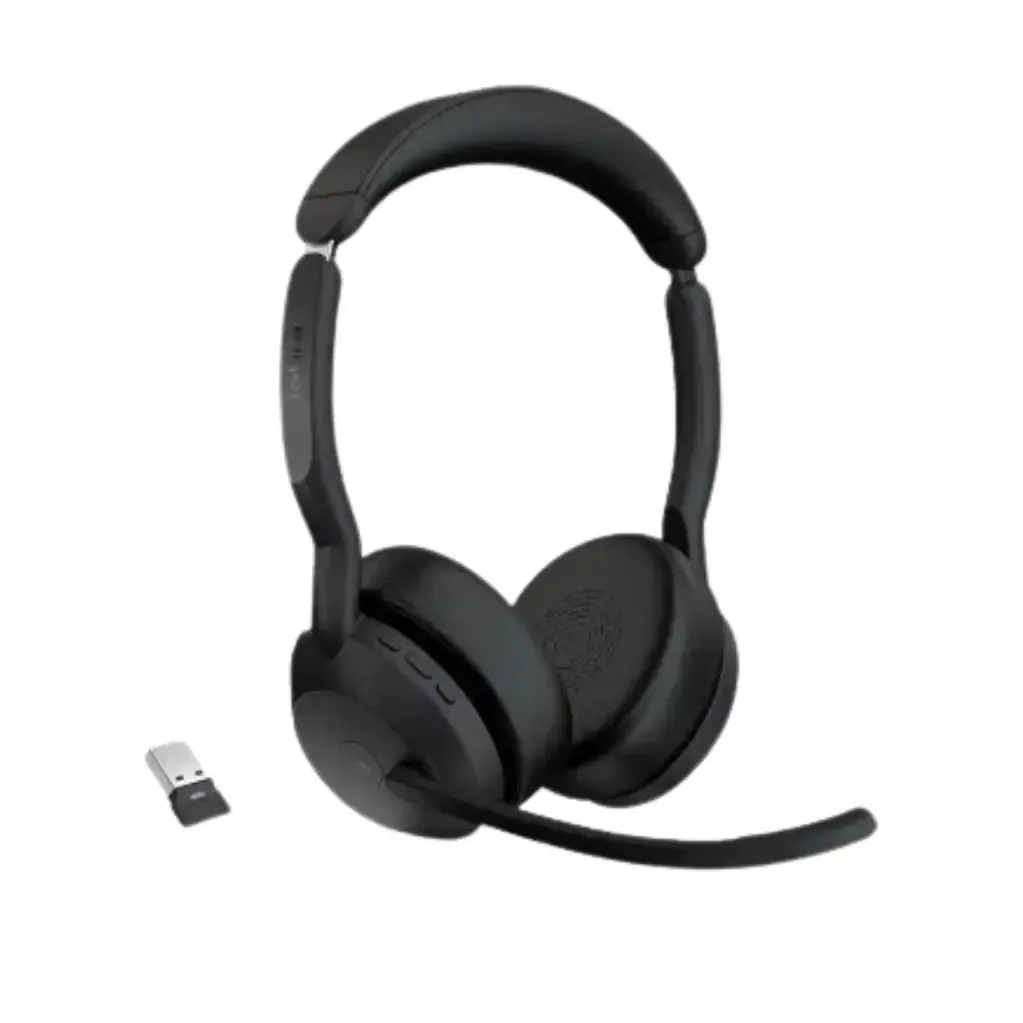
A staple for home-based telehealth workers, featuring a "Busylight" that tells others not to disturb you during a private patient session. It is widely considered a top-tier telehealth headset.
4. Poly Voyager Focus 2 (Best for Extreme Noise)
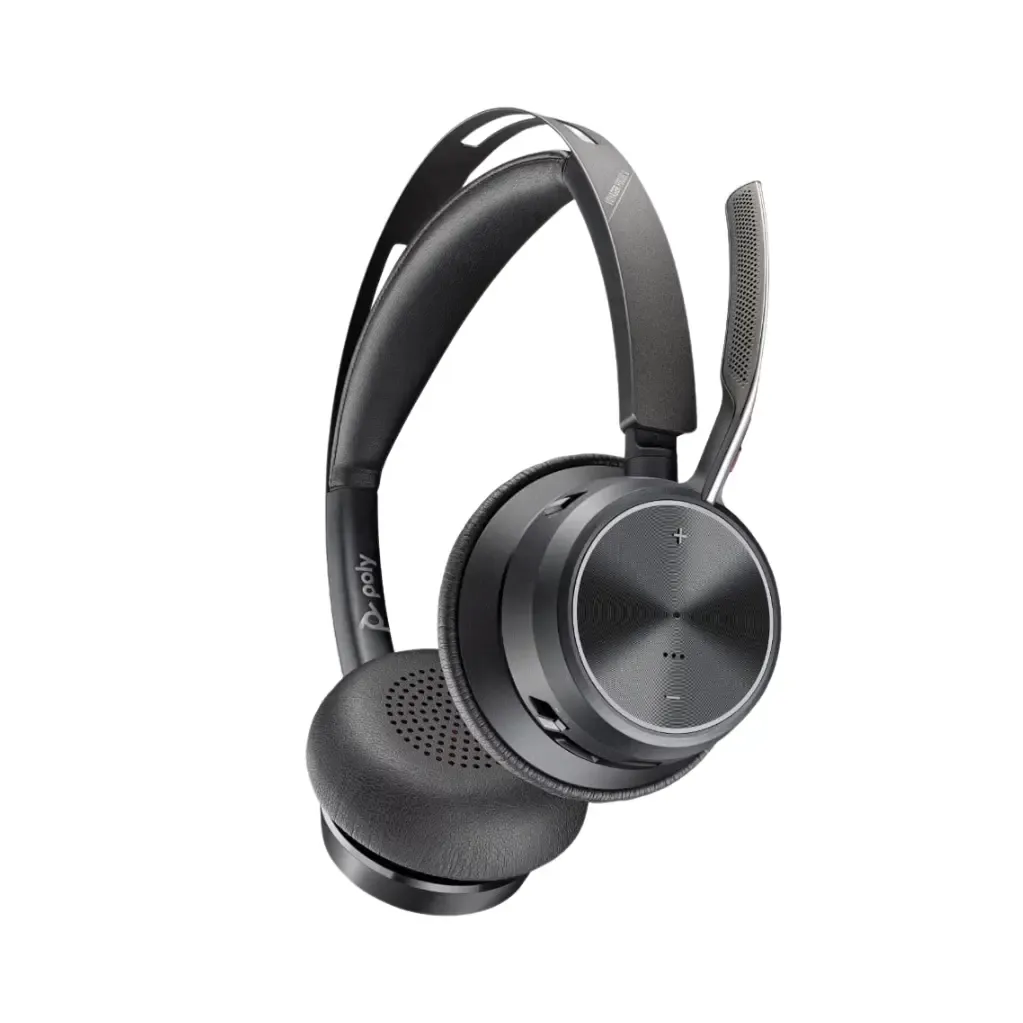
This headset features "Acoustic Fence" technology, creating a virtual quiet zone around your mouth. It is an excellent bluetooth noise cancelling headset with mic for practitioners in shared office spaces.
5. Bose QuietComfort 45 (Best for Patient Comfort)
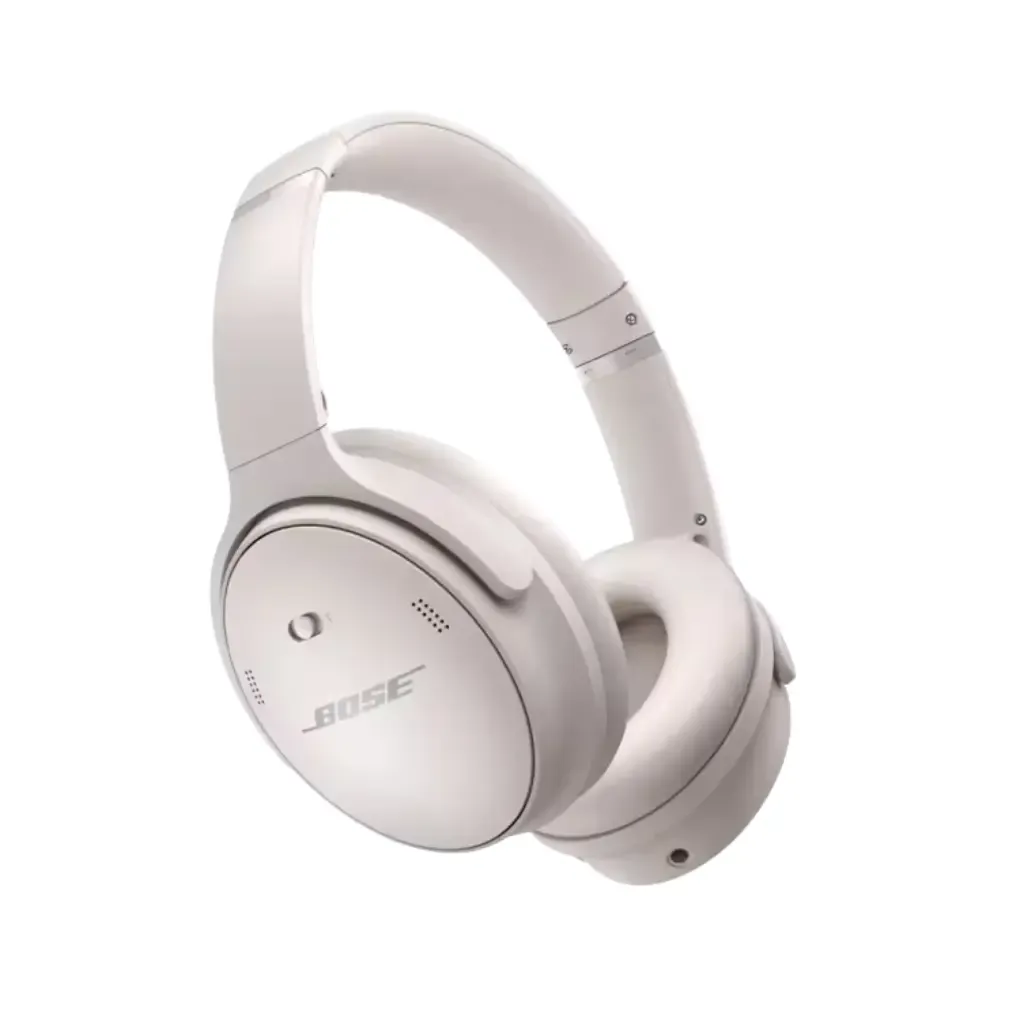
While primarily for travel, its microphone array is world-class. These noise cancelling cordless headphones are perfect for patients who need to block out their own environment to focus on the doctor.
Best Practices for Telehealth Video Conferencing
Having the best headphones for telehealth is half the battle; how you use them matters too.
Environmental Checklist
- Lighting: Face a window or lamp so your doctor can see your face clearly.
- Background: Use a neutral, clutter-free background to avoid distractions.
- Connection: According to HealthIT, a stable internet connection with at least 15 Mbps download/upload speed is recommended.
Audio Etiquette
- Mic Placement: Keep the boom mic about two fingers' width from the corner of your mouth.
- Mute when not speaking: Especially if you are in a group therapy session.
- Test Beforehand: Most platforms like Doxy.me or Zoom have a "Test Audio" button. Use it!
Conclusion
Choosing the best headphones for telehealth is an investment in your health and professional communication. By prioritizing features like AI noise cancellation, long battery life, and ergonomic comfort, you ensure that every virtual visit is as productive as an in-person appointment.
Whether you opt for a professional-grade tool like the Nuroum HP31D or a high-end comfort model, the goal remains the same: crystal-clear communication that puts the focus back on care. Clear audio leads to better data, fewer misunderstandings, and a stronger relationship between you and your healthcare provider.
FAQs
1. Can I use standard earbuds like AirPods for my doctor's appointment?
While you can, they are often not the best headphones for telehealth. Standard earbuds have microphones far from your mouth. A dedicated bluetooth noise cancelling headset with mic provides much better clarity for medical discussions.
2. Are wireless communication headsets secure for private medical data?
Yes, most modern Bluetooth headsets use 128-bit encryption. For even higher security, professional models like the Nuroum HP31D are designed for secure, stable office environments.
3. What are the best noise cancelling cordless headphones for home nurses?
Home nurses benefit from models like the Nuroum HP31S or Poly Voyager Focus 2. These headsets prioritize voice isolation, ensuring clear instructions even in unpredictable environments.
4. Why is audio quality so important in virtual doctor visits?
Audio quality is the foundation of telehealth. Poor audio can lead to misdiagnosis and frustration. High-quality wireless communication headsets ensure that every symptom is heard and every instruction is understood.