








































In today’s fast-paced professional world, the right audio gear is more than just a gadget—it is a critical tool for productivity and safety. Whether you are navigating a noisy warehouse or conducting a high-stakes board meeting from your home office, the choice between a single-ear (mono) and a dual-ear (stereo) headset can define your workday.
In this guide, we’ll explore the pros and cons of each, helping you find the perfect single ear bluetooth headphones or professional dual ear headset for your specific needs.
Why Choosing the Right Headset Matters for Different Work Environments
Selecting the right headset isn’t just about style or brand; it directly impacts your ability to focus, communicate clearly, and stay aware of your surroundings.
For example, in an open-plan office, maintaining environmental awareness might be crucial, while in a noisy warehouse or during a long video conference, focus and audio clarity take priority.
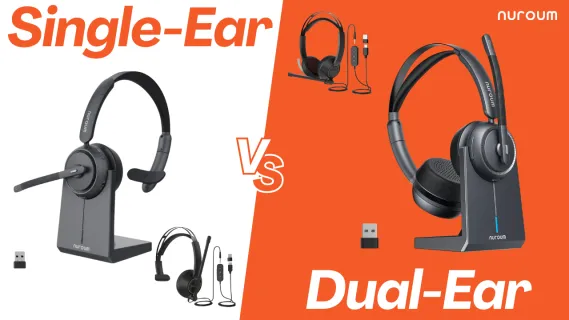
Bluetooth headphones single ear and dual ear headsets serve different purposes. Single-ear headsets allow one ear to remain open to ambient sounds, providing situational awareness, whereas dual-ear headsets block external noise for immersive audio and clearer calls.
For professionals looking for the best bluetooth headset for calls in noisy environments, choosing between single-ear or dual-ear designs depends on whether situational awareness or full noise isolation is more important.
Understanding these differences ensures you pick a headset that aligns with your work environment, comfort needs, and communication demands.
Single-Ear vs Dual-Ear Headsets: Definitions and Key Differences
What Are Bluetooth Headphones Single Ear?
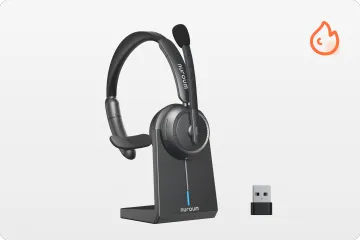
single ear bluetooth headset are designed to cover only one ear, leaving the other ear free to hear ambient sounds. They are lightweight, portable, and ideal for tasks that require both focus and awareness. Some key features include:
- Environmental Awareness: Ideal for roles where hearing surrounding activity is crucial, such as warehouses, offices with frequent team interaction, or on-the-road professionals like truckers.
- Comfort: Lighter design reduces fatigue during long hours of use.
- Battery Life: Long battery duration ensures uninterrupted calls or music playback.
What Is a Dual Ear Headset?
A dual ear headset—such as a bluetooth noise cancelling headset with mic—covers both ears to provide full audio immersion and superior noise isolation. These headsets are ideal for focused tasks, video conferences, and noisy work environments. Key characteristics include:
- Noise Isolation: Blocks ambient noise for clearer audio.
- Microphone Performance: Models like the dual ear headset microphone variants are optimized for voice clarity and AI-enhanced noise suppression.
- Comfort for Long Calls: Over-ear cushioning reduces ear fatigue.
- Focus-Driven Design: Perfect for professionals who spend long hours on calls or need to concentrate without distractions.
Comparing Single-Ear and Dual-Ear Headsets Across Work Environments
Different work environments demand different headset characteristics. Below is a comparison across four common settings:
Office Environments
In open-plan offices, maintaining focus while staying aware of colleagues and office activity is essential. Open-plan office noise levels can reach 60–70 dB, which can negatively affect concentration according to a study by the Acoustical Society of America.
- Single-Ear Option: Single ear bluetooth headphones allow users to take calls while remaining aware of surrounding conversations or announcements. Ideal for light office work and frequent collaboration.
- Dual-Ear Option: A dual ear headset microphone is better suited for conference calls or focused tasks in open-plan offices. Noise-canceling microphones enhance clarity during calls.
Remote Work & Home Offices
Remote workers often deal with household distractions, background noise, and varying levels of home office setup quality.
- Single-Ear Option: Bluetooth headphones single ear are great for users who need to hear children, pets, or household activities while attending a virtual meeting.
- Dual-Ear Option: Dual ear headsets provide immersive audio for uninterrupted video calls, especially in noisy environments, ensuring maximum focus.
Warehouse & Industrial Environments
Safety is the top priority in warehouses and industrial workplaces. According to OSHA guidelines, workers in such environments should use situational awareness equipment to remain aware of potential hazards, including moving machinery or co-worker instructions.
- Single-Ear Option: Single ear bluetooth headphones are preferred because one ear remains open to environmental sounds, such as forklift alarms or coworker instructions.
- Dual-Ear Option: Dual ear headset microphone models can be used in quieter sections or specialized roles where communication clarity is critical, but generally less common due to safety concerns.
Truckers & On-the-Road Professionals
Truck drivers and delivery personnel must balance communication with safety on the road. Studies show that long-haul drivers wearing a single-ear headset report 20% better response to ambient sounds compared to dual-ear models.
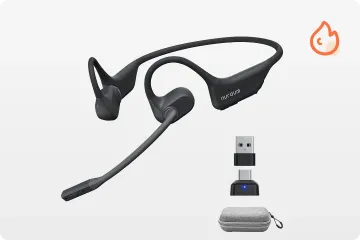
- Single-Ear Option: Bluetooth headphones single ear like the Nuroum HP31S are perfect for maintaining situational awareness while driving.
- Dual-Ear Option: Rarely recommended while driving due to safety regulations, but can be suitable during breaks or in stationary environments.
Headset Comfort, Awareness, and Microphone Performance: Single vs Dual Ear
When choosing a headset, three main factors often determine user satisfaction: comfort, awareness, and microphone performance.
- Comfort: Single-ear headsets are lighter and reduce fatigue, while dual-ear headsets offer over-ear padding that supports long calls.
- Awareness: Single-ear models allow ambient sounds to be heard, crucial in dynamic environments. Dual-ear models isolate noise for focused audio experience.
- Microphone Performance: Dual ear headset microphone models generally feature AI-enhanced noise cancellation for clearer voice capture. Single-ear headsets like the Nuroum HP31S also provide quality microphones but may have slightly less isolation.
By understanding these trade-offs, professionals can match their headset to both work demands and personal comfort preferences.
Which Headset Should You Choose? Single-Ear or Dual-Ear Recommendations
Choosing the right headset depends on your work environment, role, and usage patterns. Here are practical recommendations:
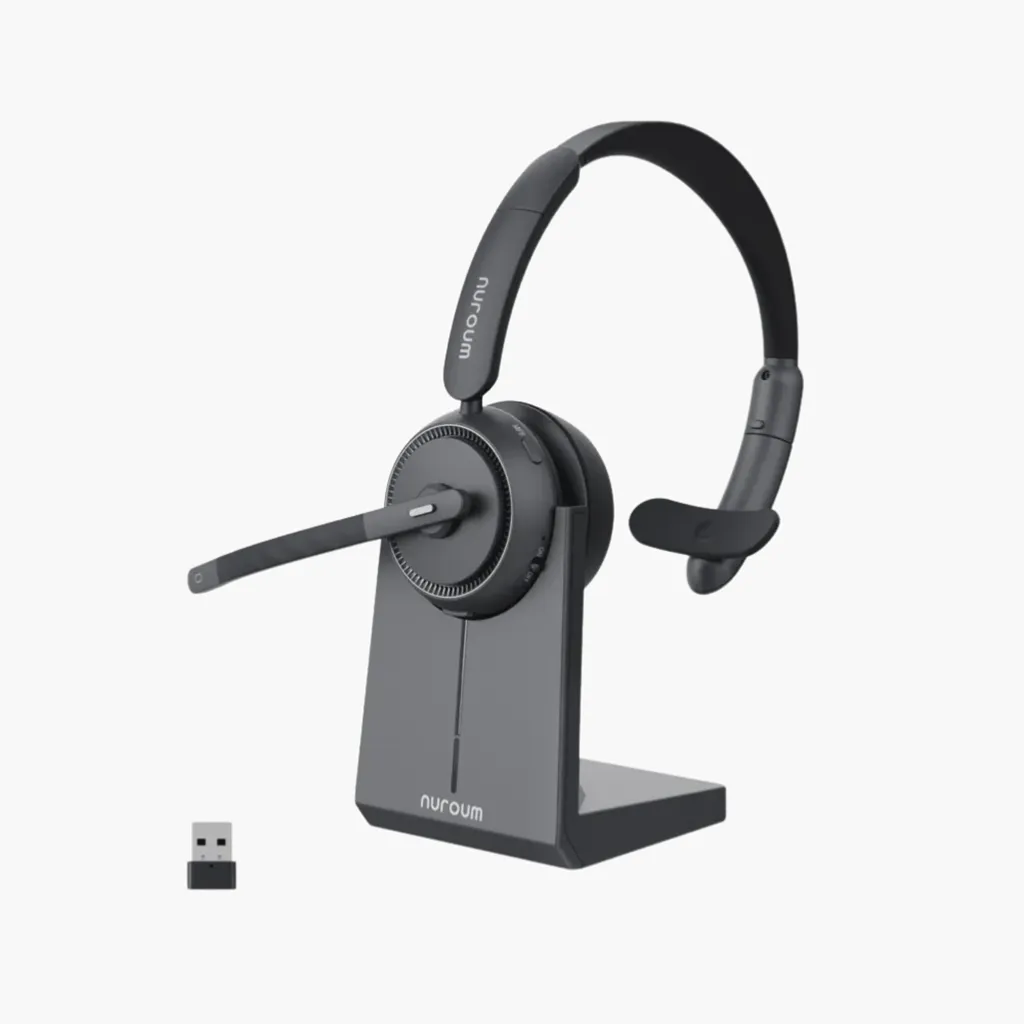
- Mobile or Safety-Sensitive Roles (e.g., warehouse workers, truckers, field agents):
- Choose single-ear wireless headsets like Nuroum HP31S.
- Benefits: Maintains situational awareness, lightweight for long wear, wireless convenience.
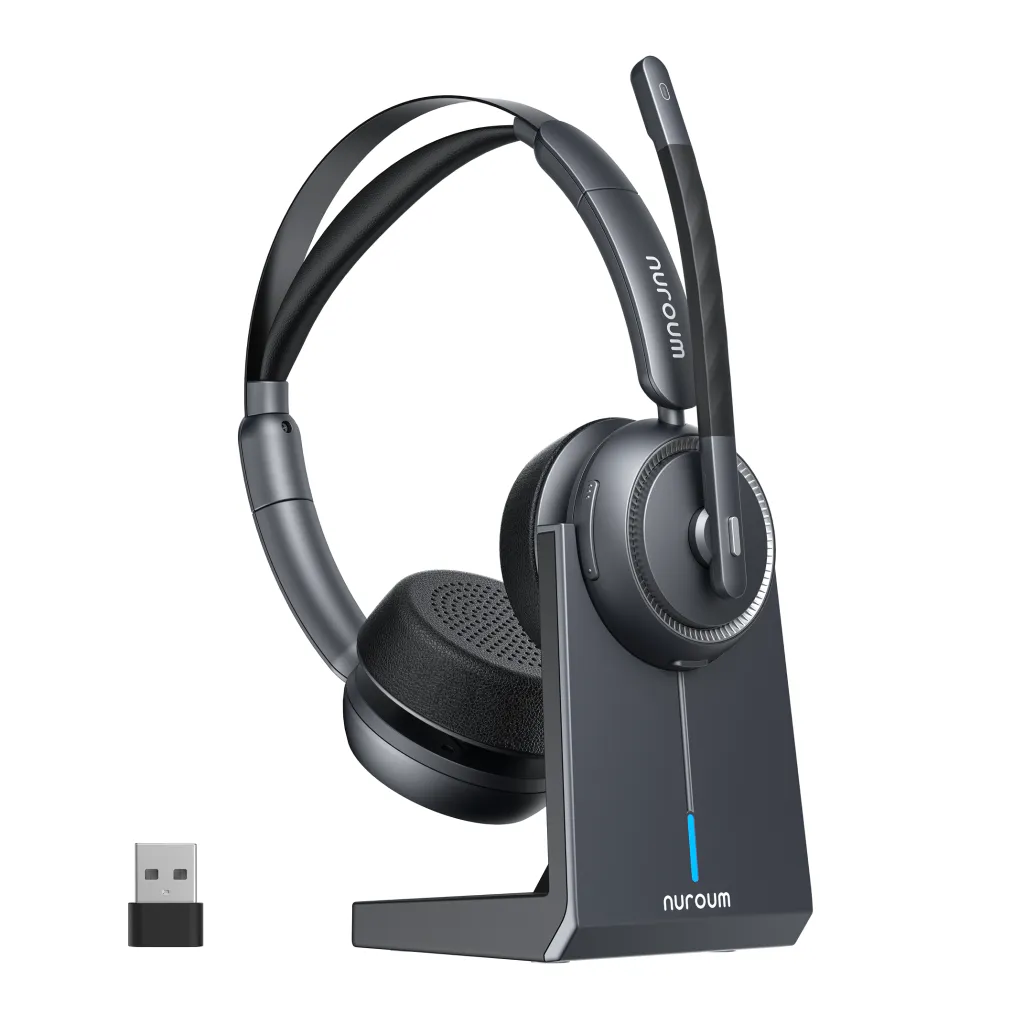
- Focused or Remote Communication Roles (e.g., remote workers, call center agents, video conferencing):
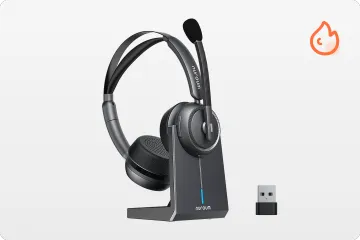
- Opt for dual wireless headset with noise cancelling mic like Nuroum HP31D.
- Benefits: Immersive audio, superior dual ear headset microphone performance, noise isolation for professional calls.
- Fixed Workstation or Cost-Conscious Users:
- Consider wired options:
- Nuroum HP11SU (single-ear wired)
- Nuroum HP11DU (dual-ear wired)
- Benefits: Reliable connection, budget-friendly, good for long-term desk work.
- Consider wired options:
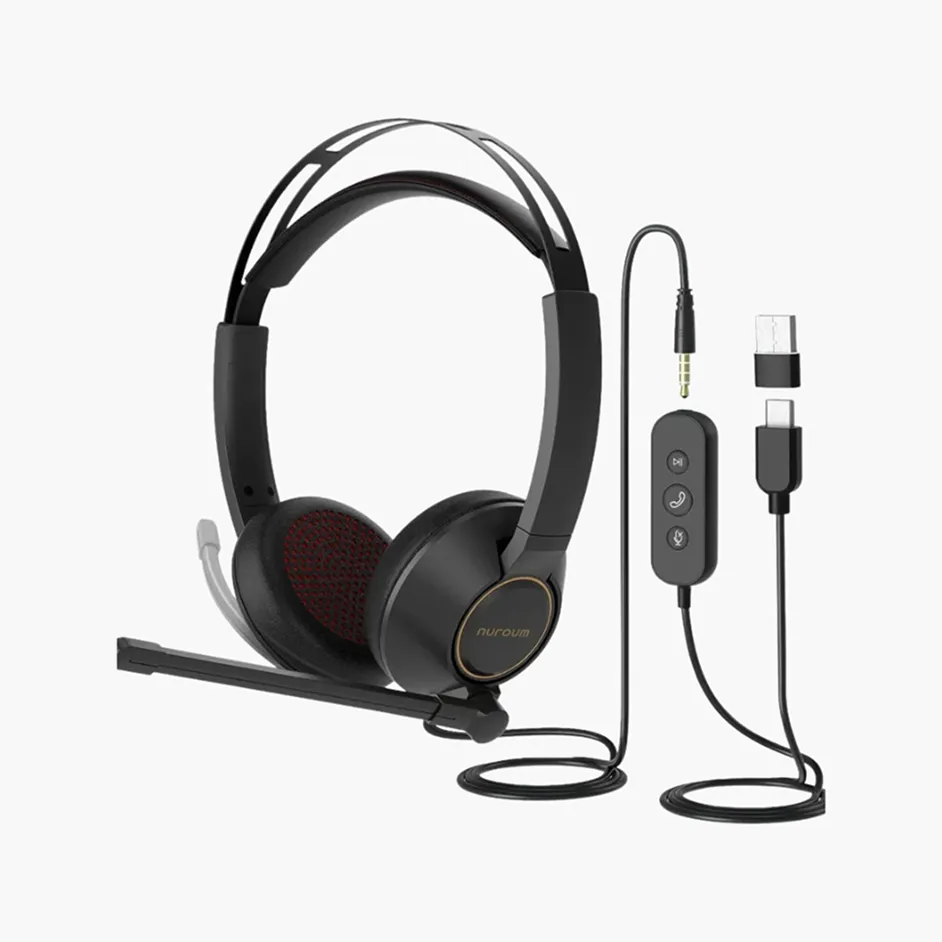
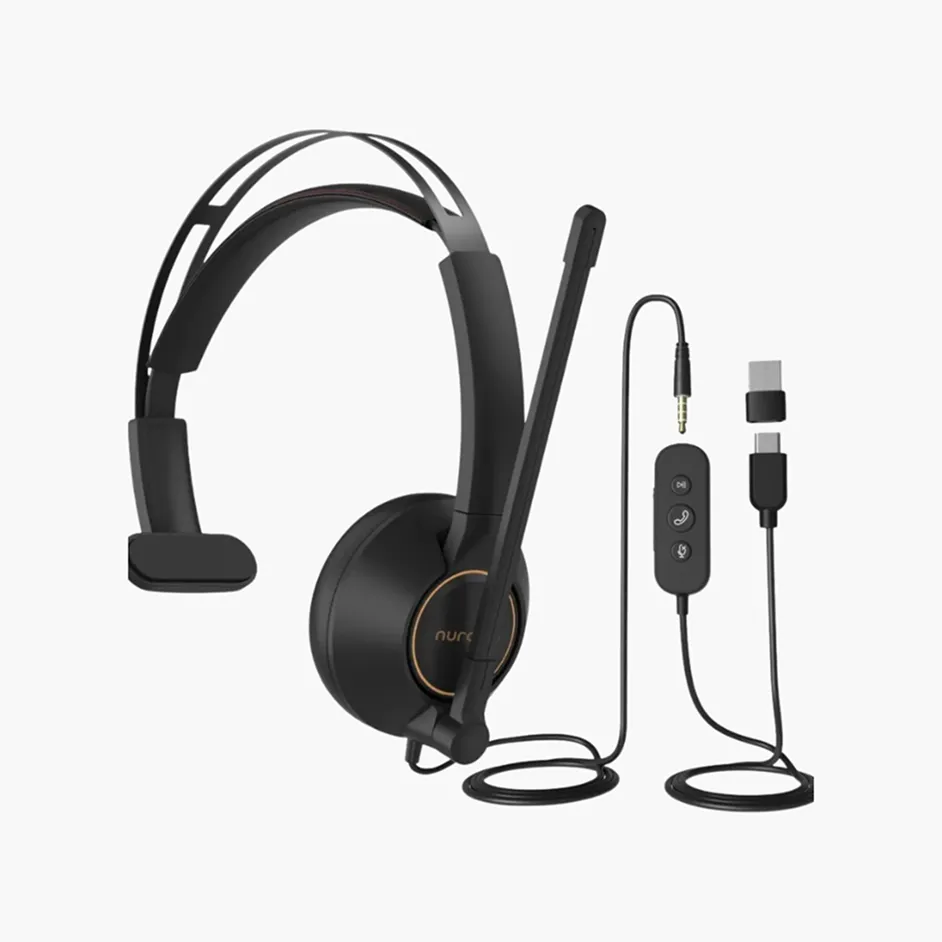
By weighing environmental awareness, comfort, and microphone clarity, users can confidently select a headset that improves efficiency and satisfaction.
| Headset Model | Type | Price (USD) | Connectivity | Recommended Use / Work Environment |
| Nuroum HP31S | Single-Ear Wireless | $85.50 | Bluetooth + USB-A Dongle | Mobile or Safety-Sensitive Roles (Warehouse, Truckers, Field Agents) |
| Nuroum HP31D | Dual-Ear Wireless | $90.00 | Bluetooth + USB-A Dongle | Focused or Remote Communication Roles (Remote Workers, Call Centers, Video Conferencing) |
| Nuroum HP11SU | Single-Ear Wired | $24.99 | 3.5mm + USB | Fixed Workstation, Cost-Conscious Users |
| Nuroum HP11DU | Dual-Ear Wired | $29.99 | 3.5mm + USB | Fixed Workstation, Cost-Conscious Users |
Conclusion: Matching Single-Ear and Dual-Ear Headsets to Your Job
Ultimately, the decision between bluetooth headphones single ear and dual ear headsets hinges on your work environment and communication needs:
- Single-ear models excel in mobility, situational awareness, and lighter wear—perfect for warehouse staff, truckers, and hybrid office workers.
- Dual-ear models deliver immersive audio, noise isolation, and high-quality dual ear headset microphone performance—ideal for remote workers, customer service agents, and focused conference calls.
Choosing the right headset is not about the “best” model universally; it’s about finding the headset that complements your job requirements and ensures maximum productivity, comfort, and audio clarity.
FAQs
- Can I use a single-ear headset for video conferencing?
Yes. Bluetooth headphones single ear work for video calls, especially when you need to hear your surroundings. However, for full immersion or noisy environments, dual-ear headsets may be preferable.
- Are dual-ear headsets better for remote work?
Generally, yes. They provide better focus and audio clarity, especially for long video conferences or noisy home environments.
- Should I choose wired or wireless headsets?
It depends on your workflow. Wireless headsets offer mobility and convenience, while wired headsets like Nuroum HP11DU/HP11SU provide reliability and are often more budget-friendly.
- Can single-ear wireless headsets be used in warehouses?
Absolutely. Single-ear headsets like Nuroum HP31S allow users to maintain situational awareness while communicating hands-free.