























During peak travel seasons, every customer conversation matters. From delayed flights to urgent booking changes, travel support agents need reliable audio equipment that keeps them comfortable, focused, and clearly heard. This guide explores why traditional headsets struggle in high-volume support environments and how open-ear professional headsets like the Nuroum OpenEar Pro 2 help travel customer service teams improve communication, reduce fatigue, and deliver smoother customer experiences.
Key Takeaways
- Travel customer service teams need professional headsets that deliver all-day comfort, clear voice transmission, wireless flexibility, and reliable connectivity during peak seasons.
- Traditional over-ear headsets can cause heat buildup and fatigue during long shifts, while standard earbuds often lack professional-grade microphone performance.
- Open-ear headset designs help customer service agents maintain situational awareness while reducing ear pressure and discomfort.
- A high-quality noise-canceling microphone improves communication accuracy, reduces repeated explanations, and supports better customer experiences.
- The Nuroum OpenEar Pro 2 combines lightweight comfort, boom microphone clarity, stable wireless connectivity, and long battery life for high-volume travel support environments.
For agents who handle these marathon sessions day after day, having the best cold calling headset can mean the difference between a resolved booking issue and an escalated complaint.
This is why travel customer service leaders are rethinking their audio equipment. The right professional headset is not a luxury; it is infrastructure. In this guide, we explore what travel support teams need from their audio gear, why traditional headsets fall short during peak demand, and how open-ear designs like the Nuroum OpenEar Pro 2 help agents stay comfortable and articulate from the first call to the last.

Why Travel Customer Service Faces Unique Audio Challenges
Travel support is not generic customer service. Agents handle missed connections, canceled reservations, and medical emergencies abroad—situations where every second matters.
First, travel call volumes spike unpredictably. A weather event can flood a support center with calls, and agents wear their customer service headsets for double or triple shifts. A heavy, isolating headset becomes a source of pain rather than a tool for help.
Second, support centers are loud. Multiple agents speak simultaneously, supervisors circulate, and alerts chime. In these demanding acoustic conditions, the best headphones for calls in noisy environment are not a luxury — they are essential for maintaining call clarity and professionalism. Complete isolation causes missed team communications or safety announcements.
Third, remote consultants now work from home offices, co-working spaces, and airport lounges. A professional headset with mic designed for a quiet cubicle may fail in these flexible, noisy environments.
Finally, agents represent brands that promise seamless experiences. Muffled audio destroys confidence instantly. High-stakes travel conversations require equipment that projects professionalism from the first word.

What to Look for in a Professional Headset with Mic
Choosing the best call center headset with noise cancelling microphone for the travel industry means balancing comfort, clarity, connectivity, and durability. Here are the criteria that matter most.
- All-Day Comfort
Agents often log ten or more hours during peak season. Over-ear cups trap heat and pressure, while in-ear buds cause fatigue. An open-ear design rests gently without sealing the ear canal, distributing weight evenly.
- Microphone Clarity
Travel calls involve accents, international connections, and detailed spellings. A boom microphone with noise-canceling capability isolates the agent's voice from background chatter, reducing repetition.
- Wireless Freedom
Cables restrict movement and create clutter. A wireless open ear headphone with stable Bluetooth lets agents stand or consult a colleague without placing the caller on hold.
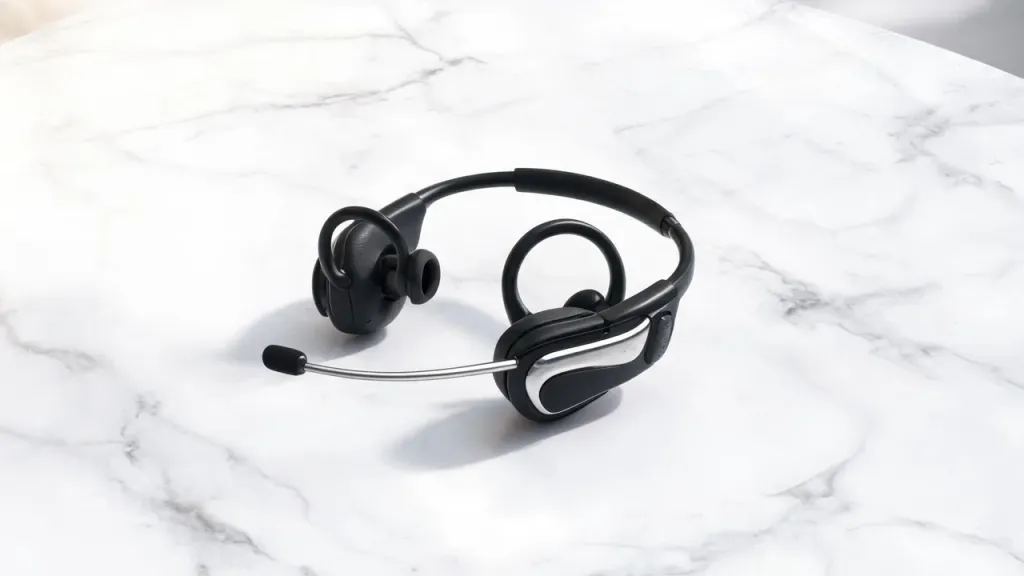
- Situational Awareness
Open-ear designs allow ambient sound to pass through naturally, so agents remain reachable for supervisor questions or safety announcements.
- Battery Life and Reliability
A full workday battery—eight hours or more—is the minimum standard. Quick-charge features that deliver an hour of talk time in ten minutes can save a shift during overtime.
- Device Compatibility
A versatile headset pairs easily with laptops, desk phones, and smartphones without complex firmware updates.
How Open-Ear Technology Transforms All-Day Support
Open-ear audio has moved from niche athletic headphones to mainstream professional use. For travel customer service teams, the technology solves problems that traditional closed-back designs simply cannot.
An open ear headphone with mic sits just outside the ear, directing sound precisely while leaving the ear open to ambient noise. This eliminates pressure and heat buildup, and agents often report less end-of-day fatigue.
In a shared support floor, an agent using an open ear headphone bluetooth model can hear a supervisor's question without removing the headset. This fluid awareness keeps operations smooth during crisis periods.

For remote workers, open-ear designs offer a safety advantage. A consultant can hear a doorbell or household alarm while remaining fully present with a traveler. The same applies to co-working spaces, where awareness prevents awkward interruptions.
Sound quality has improved dramatically. Modern bluetooth headphone open ear models now deliver speech frequencies with impressive clarity, competing directly with traditional office headsets while winning on comfort.
Nuroum OpenEar Pro 2: Built for High-Volume Travel Support
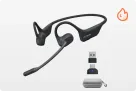
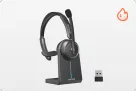
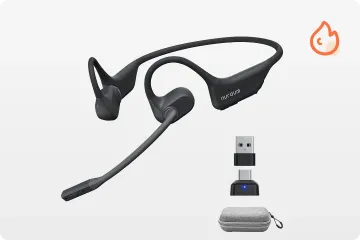
After establishing what travel customer service teams need, the next question is which product delivers. The Nuroum OpenEar Pro 2 is an open ear wireless headphone with microphone engineered specifically for professionals who spend their days on calls.
- Lightweight Open-Ear Frame
The OpenEar Pro 2 uses a featherlight frame that rests gently on the ears without entering the canal. Agents can wear it through entire shifts without the heat or fatigue of over-ear cups. - Noise-Canceling Boom Microphone
The adjustable boom microphone isolates the agent's voice from surrounding conversations and keyboard clicks. For travel support, this means accurate capture of confirmation numbers without asking travelers to repeat themselves. - Stable Wireless Connectivity
With reliable Bluetooth, the OpenEar Pro 2 pairs seamlessly with laptops and mobile devices. Agents can walk away from their desks to consult a colleague without dropping the connection. - All-Day Battery Life
Extended battery life covers full shifts, while fast-charging support ensures a brief break can restore hours of talk time. - Multi-Device Pairing
The OpenEar Pro 2 handles multi-device pairing gracefully, reducing friction when switching between a CRM softphone and mobile callbacks.
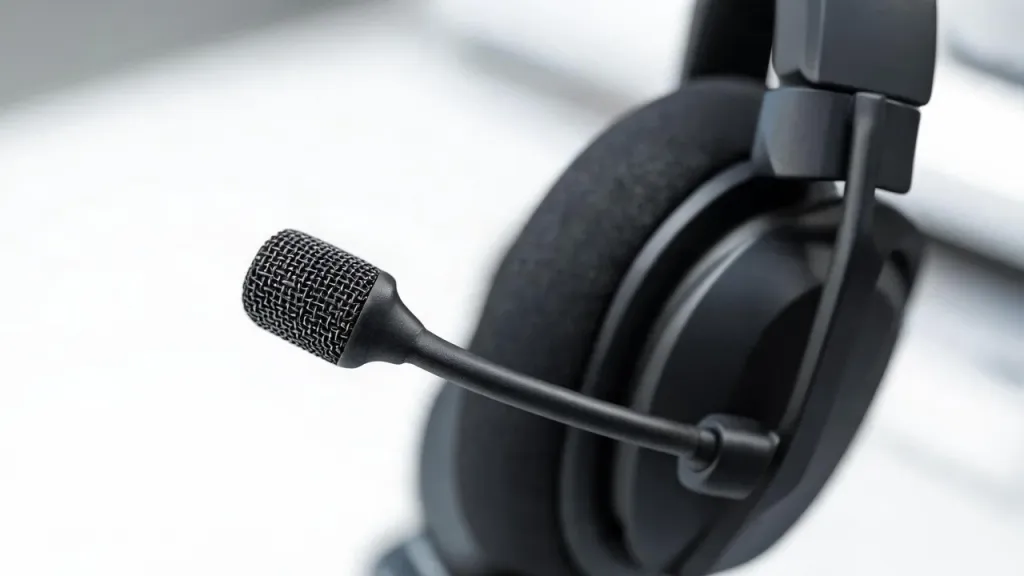
For leaders evaluating customer service headsets, the OpenEar Pro 2 offers comfort, clarity, and functionality designed for people who talk for a living.
Finding the Best Headset for Customer Service: A Quick Comparison
No single headset is perfect for every environment. Travel support leaders evaluating the best headsets for work should compare options based on where and how their teams work. The table below contrasts three common approaches.
| Feature | Traditional Over-Ear Office Headset | Standard Wireless Earbuds | Nuroum OpenEar Pro 2 |
|---|---|---|---|
| All-Day Comfort | Moderate; heat and pressure build over time | Low; ear fatigue and fit issues common | High; open-ear design avoids canal pressure |
| Ambient Awareness | Low; isolation blocks team communication | Low; seal blocks surroundings | High; natural ambient sound passthrough |
| Microphone Quality | Good; often bulky boom mics | Variable; mics optimized for music, not calls | Good; dedicated noise-canceling boom microphone |
| Wireless Range | Limited by cable or proprietary dongle | Good Bluetooth range | Stable Bluetooth with multi-device support |
| Battery Life | N/A (wired) or moderate | 4–6 hours typical | Full workday plus fast charging |
| Remote Work Fit | Poor; bulky, desk-bound | Moderate; small but isolating | Good; lightweight, aware, portable |
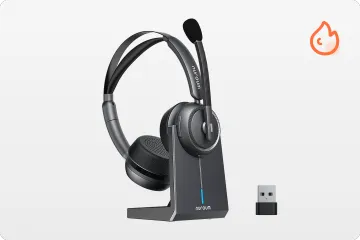
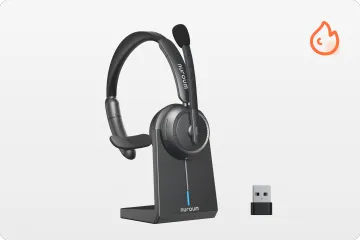
Traditional over-ear models isolate agents from their environment and become uncomfortable during extended wear. Standard wireless earbuds are convenient, yet their microphones rarely match the clarity of a dedicated boom, and their in-ear fit creates fatigue during back-to-back calls.

The best open ear headset with mic — the Nuroum OpenEar Pro 2 — offers professional microphone quality, wireless convenience, and comfort that lasts through unpredictable shifts.
Setting Up Your Team for Audio Success
Selecting the right headset is only the first step. Travel customer service managers should also implement practices that maximize audio performance and agent wellbeing.
- Standardize on One Platform
When every agent uses the same headset model, IT support becomes simpler. Standardization ensures consistent call quality across the team, which matters for quality assurance scoring.
- Train Agents on Microphone Positioning
A quick training module on boom mic distance, angle, and avoiding breath noise can raise average call clarity significantly. Encourage agents to check their audio in a test call at the start of each shift.

- Create Quiet Zones for Remote Workers
Remote consultants should designate a consistent workspace with soft furnishings that absorb echo. A rug or curtains reduce the hollow sound that makes home offices feel unprofessional.
- Schedule Headset Breaks
Even comfortable customer service headsets benefit from brief removal during breaks. This small habit reduces long-term discomfort and keeps agents fresher during late-day surges.
- Maintain a Spare Pool
Keeping a small inventory of fresh units ensures that an equipment failure never leaves an agent silent during peak demand.

FAQs
- What makes a headset suitable for travel customer service work?
A travel customer service headset should offer clear microphone audio, all-day comfort, wireless freedom, and an open-ear design that keeps agents aware of their surroundings.
- Why do travel support agents prefer open-ear headsets?
Open-ear headsets reduce ear fatigue during long shifts and help maintain situational awareness in busy support centers without sacrificing call clarity.
- How does audio quality impact customer satisfaction in travel support?
Poor audio leads to repeated requests and longer handle times. A professional headset with mic ensures agents sound crisp and confident, resolving issues faster.
- Is a wireless open ear headphone better than a wired model for remote travel consultants?
Wireless models offer greater mobility and seamless switching between devices. For remote consultants, wireless freedom is a meaningful advantage.