


































After years of remote work, the return to office (RTO) movement is reshaping the future of work. But going back to the office is not simply about sitting at a desk again — it reflects a broader shift toward collaboration, workplace culture, mentorship, and hybrid productivity. This guide explores what return to office means, why companies are bringing employees back, what modern RTO policies look like in 2026, and how professionals can adapt with the right mindset, routines, and workplace tools.
Key Takeaways
- Return to office (RTO) is not simply a rejection of remote work — it represents companies’ attempts to balance flexibility with the benefits of in-person collaboration.
- Organizations are encouraging employees to return to offices to strengthen company culture, accelerate innovation, improve mentorship, and rebuild workplace connections.
- Modern RTO policies are becoming more flexible, with hybrid schedules, activity-based workplaces, and outcome-focused approaches replacing traditional five-day office models.
- Successfully adapting to office life requires rebuilding routines, optimizing workspaces, managing distractions, and maintaining clear communication habits.
- As hybrid workplaces become the new normal, reliable communication tools such as noise cancelling headsets with microphones help professionals stay productive in busy office environments.
After years of remote work becoming the norm, the return to office movement is reshaping how and where millions of people work. Whether your employer is implementing a full-time mandate or a flexible hybrid schedule, understanding the motivations behind these policies can make your transition far less stressful. This guide explains what return to office really means, why organizations are bringing people back, what modern RTO policies look like, and how you can set yourself up for success.
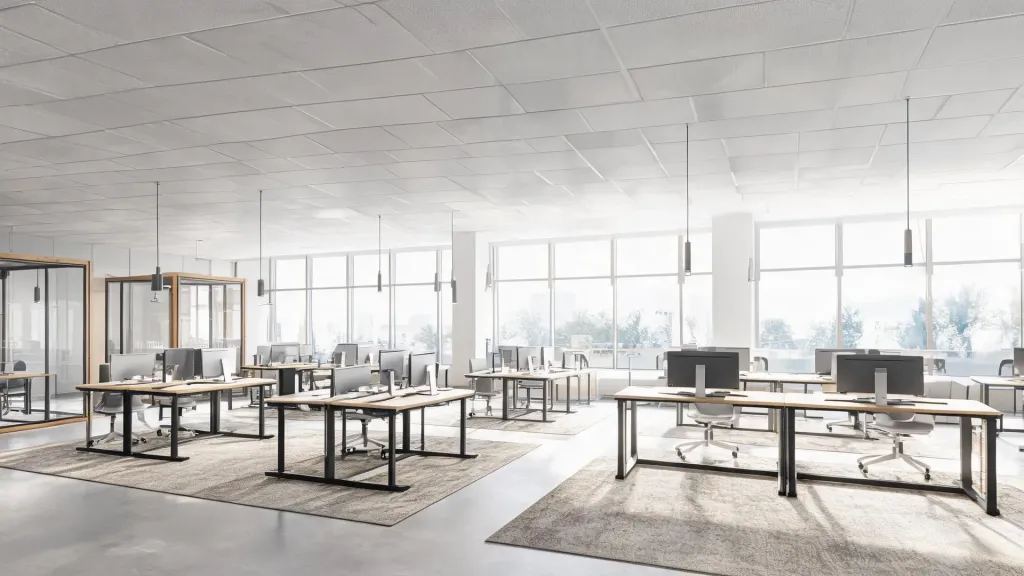
What Does Return to Office Mean?
Return to office, commonly abbreviated as RTO, describes any employer policy that shifts workers from remote setups back to a centralized physical workplace. The scope varies widely. Some companies require five days on-site, while others embrace a hybrid model that blends remote days with in-person collaboration.
By 2026, many organizations have concluded that certain benefits are hard to replicate through screens alone. RTO is not necessarily a rejection of remote work's advantages; rather, it is often an attempt to balance flexibility with the intangible benefits of shared physical space.
For employees, RTO can mean adjusting commuting routines, rediscovering office etiquette, and upgrading personal tech setups. For employers, it represents a strategic bet on culture, innovation, and long-term operational efficiency.

Why Are Companies Pushing Return to Office? 10 Real Reasons
When headlines discuss RTO, they often frame it around productivity. Yet most business leaders know that output is only one piece of the puzzle. Here are ten genuine reasons driving the back to office trend in 2026.
1. Preserving and Rebuilding Company Culture
Culture erodes when people rarely interact face-to-face. Casual conversations in hallways, shared lunches, and spontaneous celebrations create the social fabric that makes employees feel connected to a mission. Many leaders believe that culture is best built through presence, not video calls.
2. Accelerating Innovation Through Spontaneous Collaboration
Breakthrough ideas rarely arrive on schedule. They emerge from chance encounters, whiteboard sessions, and rapid back-and-forth that is difficult to replicate over Slack or Zoom. Physical proximity increases the odds of these creative collisions.
3. Mentoring and Developing Junior Talent
Younger employees learn immensely from observing senior colleagues—how they handle difficult conversations, manage time, or navigate office politics. Remote work can isolate junior staff from these micro-learning moments. In-person environments make mentorship organic and continuous.

4. Improving Communication Speed and Clarity
Text-based communication is prone to misinterpretation. A quick hallway conversation can resolve in minutes what might take hours of threaded messages. Real-time, face-to-face dialogue reduces ambiguity and accelerates decision-making.
5. Maximizing Real Estate Investments
Companies spend millions on office leases, design, and amenities. Empty buildings represent wasted capital. Bringing employees back helps justify these investments.
6. Strengthening Accountability and Trust
While many remote workers are highly self-disciplined, managers often find it harder to gauge engagement or spot burnout from a distance. Physical presence does not guarantee performance, but it can make check-ins more natural.
7. Enhancing Data Security and Compliance
Sensitive conversations and proprietary data are easier to secure within controlled office environments. Home networks and personal devices introduce risks that IT departments struggle to monitor.

8. Fostering Social Connection and Belonging
Loneliness is one of the most cited downsides of remote work. Humans are social creatures, and the office provides a built-in community.
Research on remote work has found that while flexible work provides autonomy and convenience, reduced social interaction can create challenges related to employee connection, communication, and belonging. This is one reason many organizations are exploring hybrid models that combine flexibility with meaningful in-person interaction.
For many employees, the workplace is a primary source of friendship and professional identity.
9. Creating Clearer Boundaries Between Work and Home
When your kitchen is also your conference room, switching off becomes difficult. A physical office creates natural separation between professional and personal life, which can improve mental health and prevent burnout.
10. Supporting Cross-Functional Relationship Building
Remote setups tend to reinforce silos. Teams interact mainly within their own channels. The office breaks down these barriers by exposing employees to colleagues from different departments, sparking interdisciplinary projects.

What Modern RTO Policies Actually Look Like
The rigid nine-to-five, five-days-a-week model is largely gone. In its place, companies are experimenting with nuanced arrangements designed to retain talent while capturing the benefits of in-person work.
Hybrid flexibility is the dominant approach. Many organizations require two or three days on-site and allow employees to choose which days based on their schedules. Others designate specific "anchor days" when entire teams must be present for meetings and collaborative work.
Activity-based working is another emerging trend. Rather than assigning fixed desks, companies offer neighborhoods of spaces tailored to different tasks—quiet zones for focused work, lounges for casual conversations, and equipped studios for team brainstorming.
Some firms have introduced remote-first with office access, where the default is work-from-anywhere, but employees can book desks or meeting rooms when they need them. This model appeals to distributed teams that still value occasional face time.
Finally, some companies are tying RTO to outcomes rather than hours. Instead of counting days in the office, leadership sets clear goals and invites teams to decide when physical presence adds the most value. This trust-based approach tends to generate higher morale.
How to Adapt Successfully When You Go Back to Office
Transitioning from home to an office environment requires more than packing a laptop. Here are practical strategies to make your return smoother.
Rebuild Your Routine Gradually
Start adjusting your sleep schedule a week before your first day back. Test your commute timing to avoid surprises. Pack your bag the night before so mornings feel less rushed. Small preparation steps reduce anxiety and help you arrive focused.
Optimize Your Workspace
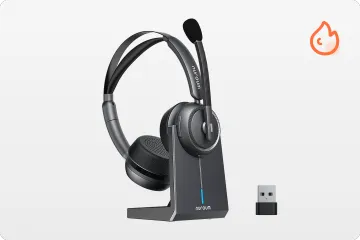
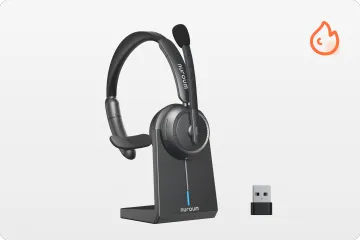
Shared offices can be noisy and distracting. Invest in tools that help you stay productive. A quality bluetooth noise cancelling headset with mic can block ambient chatter during focused work and ensure crystal-clear audio on calls. The Nuroum HP31D offers active noise cancellation and a professional-grade microphone that makes hybrid meetings effortless.
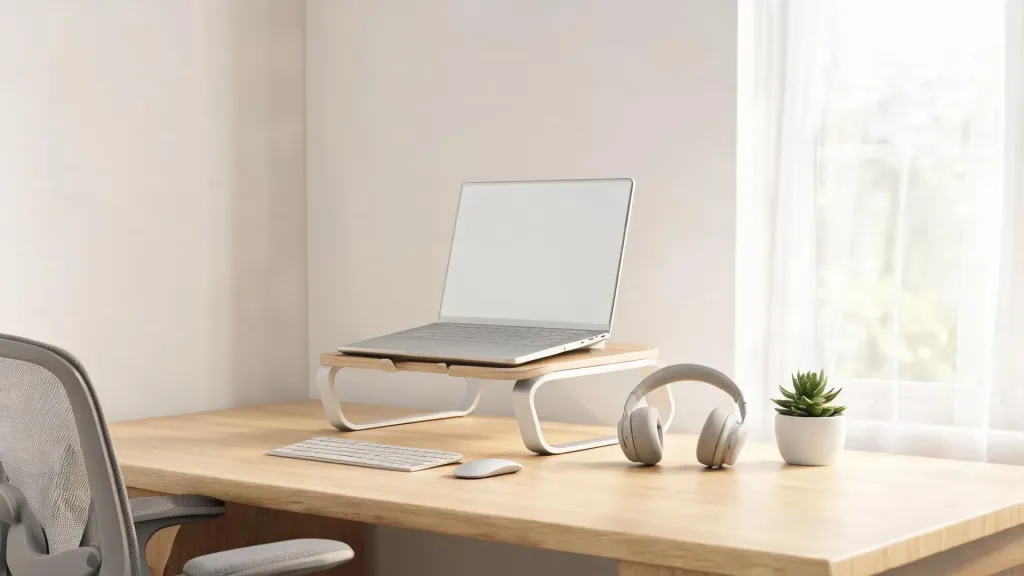
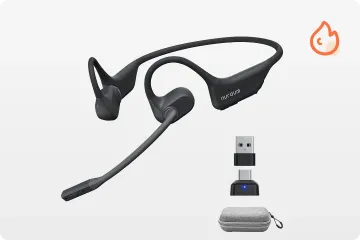
If you prefer an open-ear design that keeps you aware of your surroundings while still delivering excellent call quality, the Nuroum OpenEar Pro 2 is the best open ear headset with mic for professionals who need all-day comfort. It sits comfortably for all-day wear and pairs seamlessly with multiple devices.
Set Boundaries and Expectations
Office life brings more interruptions than remote work. Block time on your calendar for deep focus. Politely signal when you are unavailable—closing a door or wearing the best office headset with noise cancellation can communicate that you are in concentration mode.
Reconnect With Colleagues Intentionally
Do not let social anxiety hold you back. Schedule coffee chats with teammates you have not seen in person. Attend lunch gatherings or after-work events. These interactions rebuild trust and rapport that make collaboration easier.
Embrace the Commute as Transition Time
Instead of viewing your commute as wasted time, use it to mark the boundary between home and work. Listen to podcasts or simply reflect. This mental shift can help you arrive energized and leave work behind when you head home.

Communication Tools That Make the Transition Easier
Modern offices are hybrid by nature. Even when you are physically present, much of your communication still happens through screens, headphones, and microphones. Choosing the right gear matters.
In open-plan environments, background noise is unavoidable. The best headphones for meetings in noisy environment use advanced noise cancelling technology to filter out distractions so you can hear and be heard clearly.
For professionals who spend significant time on calls, a headset with noise cancelling mic is essential. Poor audio quality frustrates colleagues and clients, while reliable gear projects competence. The Nuroum HP31D delivers AI-enhanced noise reduction and all-day battery life, making it a best noise cancelling headset for demanding office environments.
Call center agents and customer-facing roles have stringent audio requirements. Choosing the best call center headset with noise cancelling microphone ensures clear communication even during back-to-back conversations without fatigue. Meanwhile, knowledge workers benefit from a noise cancelling headphone for work that transitions smoothly from focus time to video conferences.
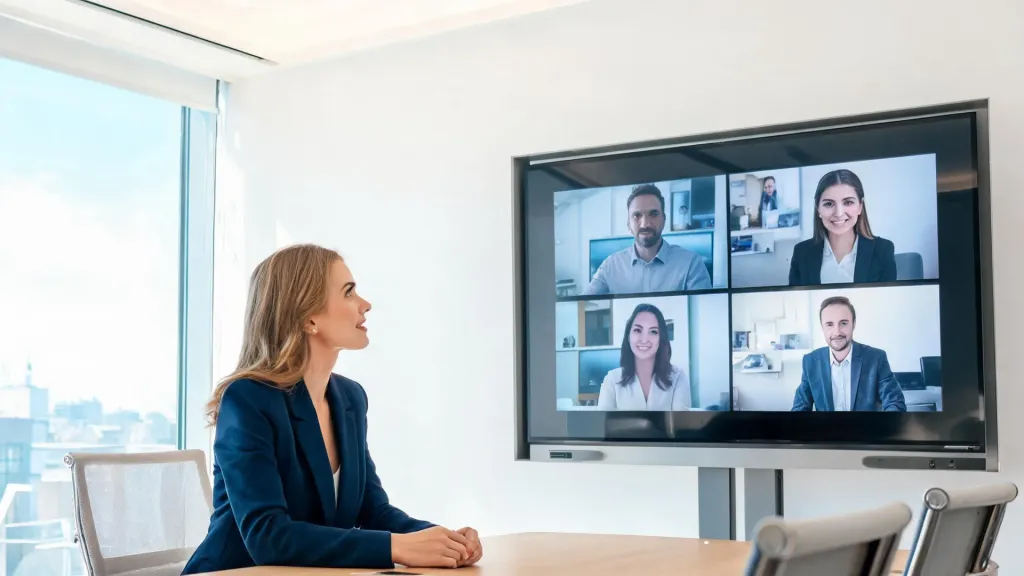
If you are looking for a single upgrade that improves every aspect of office communication, consider a Professional Wireless Noise Cancelling Headset. Wireless freedom means you can move to a quieter corner without dropping the call. For most office professionals, a reliable headset for work is not a luxury—it is a necessity.
FAQs
What does return to office mean?
Return to office (RTO) refers to company policies that require or encourage employees to work from a physical office location rather than remotely. These policies can range from full-time office mandates to flexible hybrid schedules.
Why do companies want employees back in the office?
Beyond productivity metrics, companies cite reasons like strengthening culture, improving collaboration, accelerating innovation, mentoring junior staff, better security, and more efficient use of office real estate.
How can employees adapt to returning to the office?
Employees can adapt by re-establishing routines, optimizing their workspace with ergonomic tools and quality communication devices like a wireless office headset, setting boundaries, and embracing in-person relationship building.
What tools help with the return to office transition?
Quality communication tools—from the best wireless headset for work to ergonomic accessories and reliable video conferencing setups—help employees stay productive and comfortable in shared workspaces.